

10 Weekly Tips to Brighter Plants. Gardening can be challenging, but with these insider tips, you’ll reap Huge rewards.
Episodes
Monday Dec 18, 2023
Monday Dec 18, 2023
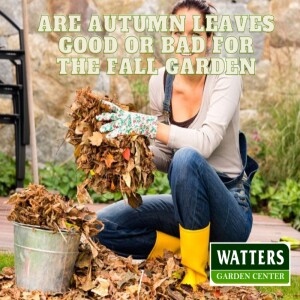
Howdy, cozy compost crew! Ken Lain, the Top 10 Gardener, here, ready to untangle the mystery of the mighty autumn leaf. You see, when those fiery beauties start raining down, some folks get jittery, wondering if they're a blessing or a blight for their backyard haven. Well, fret no more! Here's the lowdown on leaves, the good, the bad, and the downright groovy for your garden.
First, let's celebrate the good. Those crunchy carpets are nature's own compost kitchen. As they break down, they feed the soil with rich nutrients, like nitrogen and phosphorus, that your plants crave come spring. Think of it as Mother Nature's slow-release fertilizer, keeping your green friends happy and healthy. Plus, a layer of leaves acts like a cozy comforter, insulating the soil and protecting those tender perennials from winter's icy grip.
Now, for the "maybe nots." Deep piles can smother new growth, especially delicate spring bulbs. So, give those babies some breathing room by gently raking away excess leaves. And for lawns, a thick blanket can block sunlight and moisture, leading to patchy grass. Here's a sneaky tip: mulch those leaves into smaller bits and spread them thinly over your lawn instead. They'll break down faster and give your grass a nutrient boost without suffocating it.
Remember, friends, it's all about balance. Leave a light, fluffy layer on your garden beds, and for extra credit, compost the rest in a pile or bin. That gold-mine of rich soil awaits!
So, this fall, instead of seeing leaves as a chore, see them as an opportunity to nourish your garden. Embrace the crunch, the colors, and the slow dance of nature's recycling magic. After all, a bit of leaf love goes a long way in creating a happy, healthy backyard haven.
#wattersgardencenter, #watterscardencenteraz, #mountaingardenerpodcast, #Top10Gardener,
#gardeningtips, #Nature'sCompostKitchen
Sunday Dec 17, 2023
Sunday Dec 17, 2023
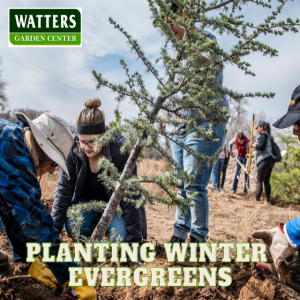
Hey there, fellow green thumbs! It's Ken and Lisa Lain, your friendly neighborhood Mountain Gardeners, here to share the secrets to a thriving garden in Arizona's stunning mountain landscape. Whether you're a seasoned green guru or just starting to sprout your gardening wings, this episode of the Top 10 Gardener Podcast is for you!
Think of us as your virtual neighbors leaning over the fence, answering your gardening questions before they even pop into your head. We'll dig deep into the best practices for Arizona's unique climate, from nurturing your winter pond to coaxing vibrant blooms from those holiday poinsettias.
Worried about decorating your landscape for the holidays? We've got your back! We'll reveal the top 10 evergreens that'll add a touch of festive flair to your winter wonderland. And if you're wondering how to coax those poinsettias to bloom again next year, you're in luck! We'll share the secrets to keeping them vibrant and colorful long after the holidays.
But that's not all, folks! We'll also answer your questions about all things gardening in the high country. No question is too silly or too complex – we're here to help your garden flourish.
So, grab your favorite cup of coffee, pull up a cozy chair, and get ready to catch our infectious gardening bug! Join us on the Top 10 Gardener Podcast, and let's embark on a journey of discovery together. We can't wait to share our knowledge and passion for growing beautiful things with you. Remember, subscribing is key to unlocking a treasure trove of tips and tricks, so don't miss out! Let's get our hands dirty and watch our Arizona gardens thrive!
#wattersgardencenter, #wattersgardencenteraz, #mountaingardenerpodcast, #top10gardener,
#gardeningtips

Saturday Dec 16, 2023
Saturday Dec 16, 2023
Cultivating Joy: A Day in the Life of a Family Garden Center
Hey there, fellow green thumbs! Ken Lain, the Mountain Gardener, here with a glimpse into the rewarding world of owning a small family garden center. It's not just about selling plants; it's about creating a nurturing space where people connect with nature and discover the joy of gardening.
Today, we're tackling a big project: replacing the wheels on our shopping carts. Why? Because even small details matter in creating a positive customer experience. We want our carts to be smooth, easy to maneuver, and free of that annoying squeaky sound. It's all about making our customers' visits enjoyable and stress-free.
Sure, I could probably make more money in a corporate job: sitting in a cubicle, crunching numbers, and climbing the corporate ladder. But would I be as happy? Absolutely not! Owning a garden center may have its challenges, but it also offers a unique satisfaction that corporate life simply can't match.
Here's what I love about being a small business owner:
- Making a difference: We're not just selling plants; we're helping people create beautiful outdoor spaces and cultivate a love for gardening. Seeing children's eyes light up when they choose their first plant, or witnessing a customer's pride in their blooming garden, brings immense joy.
- Connecting with the community: We're a hub for local gardeners, offering advice, support, and a sense of belonging. It's heartwarming to see neighbors connect, share stories, and learn from each other.
- Working outdoors: Surrounded by nature, fresh air, and the beauty of plants, every day feels like a breath of fresh air. It's a far cry from the artificial environment of a corporate office.
- Learning and growing: Every day brings new challenges and learning opportunities. Whether it's researching new plants, experimenting with different gardening techniques, or mastering the art of customer service, there's always something new to discover.
- The satisfaction of creation: Seeing our garden center flourish, watching our customers' gardens bloom, and knowing that we played a role in that process is incredibly fulfilling. It's a tangible reminder of the impact we have on our community.
Owning a small family garden center is more than just a job; it's a way of life. It's about cultivating joy, both in our own lives and our customers' lives.
#wattersgardencenter, #wattersgardencenteraz, #mountaingardenerpodcast, #top10gardener,
#gardeningtips, #SmallBusinessLove, #FamilyGardenCenter, #CultivatingJoy
Friday Dec 15, 2023
Friday Dec 15, 2023
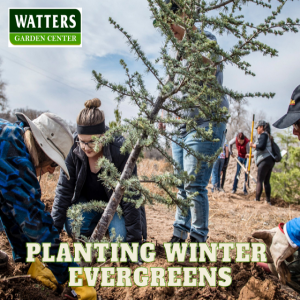
Winter Wonderland Warriors: Planting Evergreens in the Cold
Hey there, fellow frost-fighters! Ken Lain, the Mountain Gardener, here to guide you through the art of planting evergreens, those valiant soldiers of the winter landscape. While the world sleeps in the cold and perhaps under a blanket of snow, these resilient beauties add a touch of emerald, green to our surroundings. And with the right technique, you too can become a Winter Wonderland Warrior, planting evergreens that thrive through the coldest months.
Unlike most plants, winter is the ideal time to plant evergreens. While they're dormant and focusing on root development, the cool temperatures and moist soil provide the perfect conditions for their establishment. So, don't let the cold deter you; with a little planning and effort, you can add vibrant life to your winter garden.
Here's your battle plan for planting success:
- Choose Your Weapon: Select frost-tolerant evergreens that thrive in your climate. Some hardy heroes include Boxwood, Holly, and Juniper. These warriors are well-equipped to withstand the winter's assault.
- Prepare the Ground: Dig a hole twice the width of the root ball and just as deep. Loosen the surrounding soil like a seasoned soldier clearing trenches, ensuring easy root growth and drainage.
- Hydrate Your Troops: Before placing your evergreen in the hole, give its root ball a thorough soaking. This is like providing vital rations to your soldiers, ensuring they have the resources they need to flourish.
- Fortify the Base: Mix organic matter like compost or aged manure into the backfill soil. This acts as a nutrient-rich shield, bolstering the plant's defenses against harsh conditions.
- Secure and Mulch: Gently fill the hole with the amended soil and firm it down around the base. Apply a layer of organic mulch like a protective blanket, extending outward to the drip line. This will help retain moisture and insulate the soil, keeping your evergreens strong even in the coldest depths of winter.
Remember, victory favors the prepared! By following these simple tips and choosing the right evergreens, you can create a winter landscape that thrives even under the harshest conditions. So, join the ranks of the Winter Wonderland Warriors and plant your way to a garden that shines throughout the year!
#wattersgardencenter, #wattersgardencenteraz, #mountaingardenerpodcast, #top10gardener,
#gardeningtips, #WinterEvergreens, #ColdWeatherGardening
Thursday Dec 14, 2023
Thursday Dec 14, 2023
Festive Blooms and Thorny Truths: Unveiling the Christmas Cactus
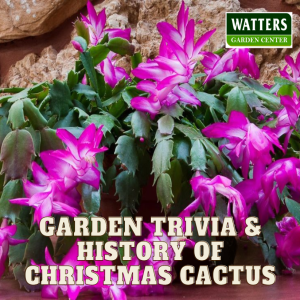
Hey there, holiday plant enthusiasts! Ken Lain, the Mountain Gardener, here with some surprising facts about the beloved Christmas cactus. While it brings a cheerful splash of color to our holiday season, it holds hidden secrets beneath its delicate blossoms.
It is a cactus, but not like you think! While classified within the cactus family, it doesn't resemble its prickly cousins. Forget the stereotypical spiky arms and rugged exterior. Instead, the Christmas cactus boasts flat, leaf-like segments that cascade gracefully, adding a touch of lush elegance to any space.
And its origins might surprise you too! This festive beauty hails from the lush rainforests of Eastern Brazil, where it thrives as an epiphyte, clinging to other plants for support. So, while it adds holiday cheer to our homes, it's used to a much different environment than the average cactus!
But its appeal goes beyond its unique appearance and exotic roots. The Christmas cactus carries a beautiful legend. In Brazil, it's known as Flor de Maio (May Flower) and holds special significance during the Feast of the Holy Spirit. It's said that a young boy's prayer for rain was answered with the blooming of this vibrant cactus, symbolizing hope and renewal. This story adds a touch of magic to the plant, making it a cherished gift and symbol of the holiday season.
So, while it may not be the prickly pear you're used to, the Christmas cactus offers a captivating story and stunning blooms to brighten your winter days. And with its relatively simple care requirements, it's a perfect choice for adding festive cheer to your home. Give it a try, and discover the magic of this unexpected member of the cactus family!
#wattersgardencenter, #wattersgardencenteraz, #mountaingardenerpodcast, #top10gardener,
#gardeningtips, #ChristmasCactus, #PlantTrivia, #HolidayMagic
Wednesday Dec 13, 2023
Wednesday Dec 13, 2023
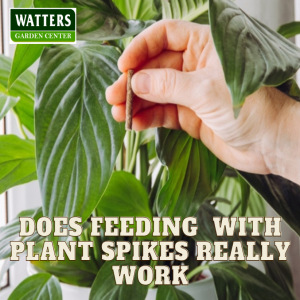
Plant Spikes: Myth Busted! Ken Lain, the Mountain Gardener, Weighs In!
Hey, Botanical Buddies! Ken Lain, the Mountain Gardener, here with some down-to-earth wisdom on those trendy plant spikes. You know, the ones promising lush growth and vibrant blooms with just a single push into your soil? Do they really work? Let's dig in and find out!
Plant spikes work by slowly releasing nutrients into the soil over time. This can be a convenient way to fertilize, especially for forgetful gardeners like yours truly. However, it's not a magic bullet, and there are some things to consider:
Pros:
- Convenience: No more measuring and mixing fertilizers!
- Controlled release: Nutrients are released gradually, minimizing the risk of burning your plants.
- Longevity: Some spikes last for months, saving you time and effort.
Cons:
- Cost: Spikes can be more expensive than traditional fertilizers.
- Limited control: You can't adjust the amount or type of nutrients being released.
- Not for all plants: Some plants have specific nutrient needs that may not be met by spikes.
- Myth of one spike does it all: While it stays in the ground for a year, it often doesn't release enough nutrients for a larger tree. You'd need a dozen or more spikes to fertilize a bigger tree properly..
So, what should you do instead?
I recommend organic fertilizers! Our 744 All-Purpose Plant Food is a great option. It's made with cottonseed meal, bird guano, and other natural ingredients that release nutrients slowly over time, just like plants prefer. We also add a boost of iron and sulfur for optimal growth.
Here are some additional tips for fertilizing your evergreen trees:
- Fertilize in early winter. This will give the trees time to absorb the nutrients before the spring growth spurt.
- Spread the fertilizer around the dripline of the tree. This is the area where the majority of the feeder roots are located.
- Water the fertilizer in well (or apply it just before a storm). This will help it move down into the soil where the roots can reach it.
By following these tips, you can ensure that your evergreen trees get the nutrients they need to stay healthy and thrive.
#wattersgardencenter, #wattersgardencenteraz, #mountaingardenerpodcast, #top10gardener,
#gardeningtips, #PlantSpikes, #FertilizerTips, #OrganicFertilizers, #EvergreenTrees
Tuesday Dec 12, 2023
Tuesday Dec 12, 2023
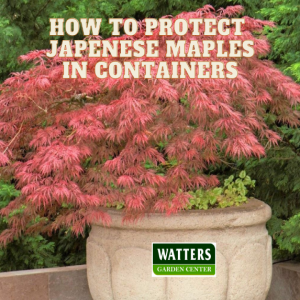
Winterize Your Japanese Maple with a Mountain Gardener's Touch
Hey there, plant parents! Ken Lain, the Mountain Gardener, here with some down-to-earth wisdom on winterizing your beautiful Japanese maple in a pot. While these beauties can handle crazy cold temperatures down to -40 degrees Fahrenheit, it's not the cold we need to worry about, but the dryness.
Forget the internet hype about burlap and bubble wrap: You don't need to go all out protecting your maple from the cold. The secret is water. Just like us, Japanese maples need to stay hydrated even in winter. Once a week is a good rule of thumb, and when the weatherman predicts a cold snap, give your maple an extra drink.
Here's the insider tip:
- Water deeply and about once a week: Aim for the soil to be slightly moist, not soggy.
- Listen to the weather: When a cold snap is coming, give your maple an extra-deep watering the day before.
By keeping your maple hydrated, you'll prevent the tips from burning back and ensure it thrives through winter's chill. Remember, folks, water is the key!
Here are some additional tips:
- Mulch: Apply a thick layer of organic mulch around the base of the tree to help insulate the roots.
- Prune: During late winter, before the sap starts flowing, prune any dead or damaged branches.
- Location: If you can, move your maple to a sheltered spot for extra protection from wind and sun.
- Pests: Keep an eye out for rabbits and voles who might munch on the bark.
With just a little winter care, your Japanese maple will reward you with stunning foliage and vibrant beauty come spring.
#wattersgardencenter, #watterscardencenteraz, #mountaingardenerpodcast, #Top10Gardener,
#gardeningtips, #WinterizeYourMaples #JapaneseMapleCare #ContainerGardening,
Monday Dec 11, 2023
Monday Dec 11, 2023
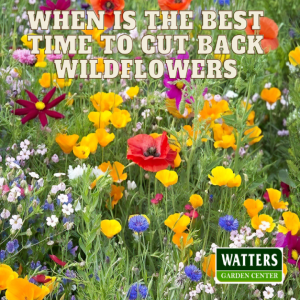
Hey there, fellow garden enthusiasts! It's Ken Lain, your trusty mountain gardener, here with some wisdom about wildflowers. We all know these vibrant beauties are a joy to behold, but a question often arises: when's the best time to cut back those spent blooms?
Well, the answer depends on your wildflower's habits and your personal goals. Let's delve into the details:
For annual wildflowers: Once their glorious show ends and they've set seed, around late summer or early fall, go ahead and give them a haircut. This allows the seeds to disperse, ensuring next year's colorful spectacle. Think of it as giving them a chance to spread their wild spirit!
For perennial wildflowers: Things get a bit trickier. While tidying up in late fall is tempting, resist the urge! Those dried stalks and seed heads provide important shelter and food for overwintering wildlife. Plus, they add a touch of rustic charm to your winter landscape. Wait until early spring, when the ground thaws slightly, and then cut them back to just above ground level. This allows new growth to emerge, energized and ready to paint your garden with color once again.
Bonus tip: Before cutting, rake out any leaves and debris that may harbor overwintering pests. This helps keep your precious wildflowers healthy and thriving.
#wattersgardencenter, #watterscardencenteraz, #mountaingardenerpodcast, #Top10Gardener,
#gardeningtips, #wildflowers, #wildflowerwisdom

Sunday Dec 10, 2023
Sunday Dec 10, 2023
Hey everyone! In this episode, Ken and Lisa dig deep into all things gardening for Arizona's amazing mountain landscapes. Whether you're new to the green thumb game or a seasoned pro, there'll be something for everyone in this episode of The Mountain Gardener Podcast. So, grab a cup of coffee, pull up a chair, and let's get growing! 🪴
Included in this week’s episode:
- Best Pond Care for a Healthy Winter
- How to Grow a Better Holiday Poinsettia
- Can Poinsettias Live Outdoors?
- Why are Poinsettias used to Celebrate Holidays like Christmas
- Top 10 Landscape Evergreens for Holiday Decorating
- How to Force a Poinsettia to Flower and Turn Color Again
Ken and Lisa will also answer listener questions about gardening in Arizona's high country.
Get ready to catch Ken and Lisa's gardening bug! They're bursting with knowledge and passion for growing beautiful things, and they're ready to share it all with you. Don't miss out on this chance to level up your gardening game! Subscribe to The Mountain Gardener Podcast today and get your hands dirty with their expert tips and tricks. You'll find it on all your favorite podcast platforms.
#wattersgardencenter, #wattersgardencenteraz, #mountaingardenerpodcast, #top10gardener,
#gardeningtips
Saturday Dec 09, 2023
Saturday Dec 09, 2023
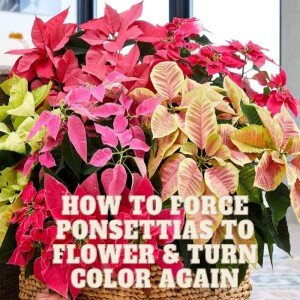
Poinsettia Resurrection: Bloom Red Again This Christmas!
Your poinsettia might be looking a little worse for wear after the holidays, but don't toss it out just yet! With a little TLC and some strategic darkness, you can coax it back to its vibrant, red glory for next Christmas.
Step 1: Prune & Prep (Feb-March)
- Cut back stems by 1/3rd. This encourages bushier growth and more blooms.
- Repot (optional): If the roots are cramped, move it to a slightly larger pot with fresh, well-draining soil. 🪴
Step 2: Summer Sun & Growth (April-August)
- Since our Mountain Climate won’t support Poinsettias outside year-round, consider planting in a container that can be brought inside when the weather turns cold.
- Place your poinsettia outdoors in a sunny spot (indirect light is best).
- Water regularly and fertilize monthly. Don't drown it, but keep the soil moist. 💦
- Pinch off new growth to promote branching. This will create a fuller plant with more blooming potential.
Step 3: Darkness & Transformation (September-October)
- Time for the magic! Around September 21st, give your poinsettia 14-16 hours of uninterrupted darkness daily. 🌙 Blackout curtains, a box, or even a closet will do the trick!
- Maintain 60-70°F temperatures.
- Continue regular watering but reduce fertilizer. Step 4: Unveiling & Enjoyment (November-December)
- After 8-10 weeks, you'll start to see those vibrant red bracts emerge! Gradually introduce more light.
- Once fully colored, bring your poinsettia indoors and enjoy its festive beauty.
Bonus Tip: Rotate your plant daily during the dark period for even color development.
With a little patience and darkness, you'll be rewarded with a stunning poinsettia that blooms
repeatedly!
#wattersgardencenter, #wattersgardencenteraz, #mountaingardenerpodcast, #top10gardener,
#gardeningtips, #PoinsettiaPower, and #ChristmasMagic, #Poinsettias, #poinsettiacare

Friday Dec 08, 2023
Friday Dec 08, 2023
Deck the halls (and landscapes!) with boughs of beauty! 🎄
Forget boring plastic - bring festive cheer with these 10 gorgeous evergreens perfect for holiday decorating. Listed below are just a few examples:
- Spruce: The ultimate Christmas tree contender! Its prickly branches hold ornaments like a champ, and its strong scent fills your home with holiday spirit.
- Baby Blue Spruce, Baby Blue Eyes, or Dwarf Alberta Spruce for smaller spaces
- Pine: The quintessential Christmas tree shape, adorned with rich, fragrant needles.
- Austrian Pine, Bosnian Pine, and Oregon Green Pine
- Fir: Silvery-blue needles and a delightful wintery scent. Think cozy cabins and snowy mornings! ❄️
- Juniper: Aromatic, interesting textures, and a touch of the unexpected.
Which evergreen will you choose? Share your festive creations with us!
#wattersgardencenter, #wattersgardencenteraz, #mountaingardenerpodcast, #top10gardener,
#gardeningtips, #EvergreenDecor, #HolidayGreens, #evergreens, #LandscapeEvergreens, #HolidayDecor, #NatureInspiredChristmas, #evergreens

Thursday Dec 07, 2023
Thursday Dec 07, 2023
More Than Just Pretty Holiday Decor! 🎄🌟
Those fiery red blooms aren't just Christmas eye candy - poinsettias have a rich history woven into holiday traditions! 🔥
A Mexican Star Story:
- Legend tells of Pepita, a poor girl who couldn't afford a Christmas gift. 🥺🎄 An angel led her to gather weeds, which miraculously transformed into beautiful red flowers. These became known as "Flor de la Noche Buena" (Flower of the Holy Night). 😇🌺
- Spanish missionaries brought poinsettias from Mexico to their new homes. ⛪️ They bloomed around Christmas, symbolizing the Star of Bethlehem guiding the wise men. 🌟
Poinsettia Symbolism:
- Red bracts represent the blood of Christ and the love of Christmas. ❤️
- Star-shaped leaves echo the Star of Bethlehem. 🌟
- Evergreen nature signifies eternal life and hope. 🌿✨
Beyond Christmas:
- Poinsettias come in various colors like pink, white, and even marbled! 🌈 They're perfect for Hanukkah, Kwanzaa, or any winter celebration. 🎉
- Their long lifespan makes them ideal gifts that keep giving. 🎁 They can even be replanted outdoors in warm climates! 🌴☀️
So next time you see a poinsettia, remember the story, the symbolism, and the festive spirit they bring! 💖
#wattersgardencenter, #wattersgardencenteraz, #mountaingardenerpodcast, #top10gardener,
#gardeningtips, #ChristmasTraditions, #MoreThanJustRed, #Poinsettias
Wednesday Dec 06, 2023
Wednesday Dec 06, 2023
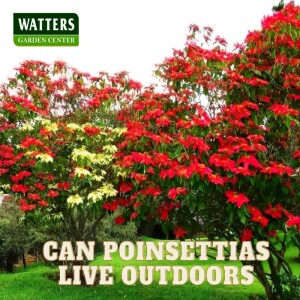
Those dazzling Christmastime blooms might seem like temporary guests, but poinsettias can actually thrive year-round...if you live in the right place! 🌴☀️
Where Poinsettias Burst:
- Warm climates: Think Florida, California, and parts of Texas. Poinsettias are native to Mexico, so balmy weather is their happy place.
- Zones 9-11: These lucky zones get consistent frost-free days, allowing poinsettias to flourish as perennials. 🎉. Keep in mind that Prescott and the Quad City Area are Zone 7. So, your poinsettias will not survive the winter cold outside.
Poinsettia Paradise Tips:
- Sun & Shade: They love bright, indirect sunlight, but scorching rays can wilt their leaves. Find a dappled spot or partial shade. 😎
- Water Wisely: Keep the soil moist but not soggy. Let it dry slightly between waterings to avoid root rot. 💧
- Prune & Pinch: Trim leggy stems to encourage bushier growth and more blooms. Pinch off new growth until late summer. ✂️
- Feast & Fertilizer: Feed your plant monthly with a balanced fertilizer during spring and summer. 😋
Bonus Tip: Poinsettias need long nights (14+ hours) to bloom. So, in cooler zones, bring them indoors for winter and mimic those dark periods to coax out those vibrant bracts! 🌌
#wattersgardencenter, #wattersgardencenteraz, #mountaingardenerpodcast, #top10gardener,
#gardeningtips, #Poinsettias, #poinsettiacare

Tuesday Dec 05, 2023
Tuesday Dec 05, 2023
We have dozens of colors ranging from traditional shades of red, pink, and white to burgundy, peach, striped, and freckled. They add a festive splash of color to every room and every décor. Perfect as a centerpiece, around the hearth where holiday spirits need lifting. They are the ideal gifts for the office or Christmas party.
Poinsettias come in many colors
You will find poinsettias around the holidays to fit any decorative scheme. They range from creamy white to pink to the traditional bright red. Some varieties have bracts with red and white patterns, pink and white, green and white, and even bright orange. Flower forms vary as well, with some looking similar to a rose.
Watering
Keep your plant's soil moist. Water when the soil surface feels dry to a light touch, or the pot feels lightweight when lifted. Never allow poinsettias to get so dry they wilt. Never let poinsettia pots sit in excess water. Constant wetness will rot plant roots.
Fertilizing
You do not need to fertilize your Poinsettia during the holidays. Start fertilizing your plant when new green leaves, stems, and bracts form in spring. Fertilize with Watters Flower Power plant food. Mix with water at half the recommended strength. Feed your Poinsettia monthly to keep the plant healthy and provide the necessary nutrients for new growth.
Transplanting
In late spring, transplant your Poinsettia into a larger container, about 2-4", inches bigger than the original pot, or into a part-sun garden bed. Plant directly into Watters Potting Soil for best results. Water your Poinsettia thoroughly after transplanting with Watters Root & Grow to reduce transplant shock.
#wattersgardencenter, #watterscardencenteraz, #mountaingardenerpodcast, #Top10Gardener,
#gardeningtips, #Poinsettias, #poinsettiacare.

Monday Dec 04, 2023
Monday Dec 04, 2023
Ken Lain, the mountain gardener, is your friendly guide to maintaining your outdoor water features, such as ponds, fountains, and decorative water elements, with a touch of earthy wisdom. You've come to the right place as an everyday gardener eager to learn and cultivate your green thumb. Ken speaks directly to you, answering questions you might not have even thought to ask yet, and he offers advice just like a trusted neighbor leaning over the garden fence.
During the colder months, taking special care of your water features is crucial to ensure they survive the winter without any hiccups. Ken's warm and knowledgeable tone will help you navigate this essential task.
Ken also highlights the importance of avoiding your pond freezing solid across the top. This can be detrimental to your fish because as debris collects under the ice, it can release toxic substances that harm them. To prevent this, Ken recommends using a pond heater, which keeps a small section of the pond from freezing. This not only safeguards your fish but also prevents damage to your pump motor.
Additionally, Ken emphasizes the significance of protecting your pump motor from freezing. If your pond or waterfall pump gets frozen, it can lead to costly repairs or replacements. The key to avoiding this is to prevent water freezing in your pump. He mentions heat tape and insulated bags as effective solutions to keep your pump and related equipment in good working condition throughout the winter.
As you settle into the colder months, Ken's advice reminds you not to neglect your outdoor water features. These elements add beauty and tranquility to your garden, and with Ken's guidance and these hashtags, you can ensure they thrive year-round, providing enjoyment for both you and the local wildlife that frequents them. So, take Ken's earthy wisdom to heart, and your garden will flourish in every season.
#wattersgardencenter, #watterscardencenteraz, #mountaingardenerpodcast, #Top10Gardener,
#gardeningtips, #PondCare, #WinterGardening, #WaterFeatureMaintenance, #PondHeater