

10 Weekly Tips to Brighter Plants. Gardening can be challenging, but with these insider tips, you’ll reap Huge rewards.
Episodes
Saturday Nov 04, 2023
Saturday Nov 04, 2023
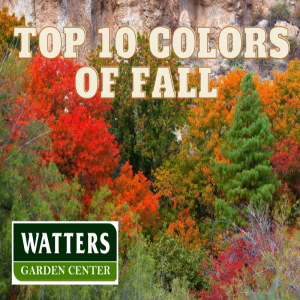
Autumn is a beautiful time of year, with the leaves of many trees changing color to brilliant shades of red, orange, and yellow. If you're looking to add some fall color to your landscape, here are 10 of the best trees to plant in the fall, along with some tips for growing them:
- Maple
- Maples prefer full sun to partial shade and moist, well-drained soil.
- Water maples regularly, especially during the first year after planting.
- Fertilize maples in the spring with a balanced fertilizer.
- Prune maples in the winter or early spring to remove dead or diseased branches.
- Aspens prefer full sun to partial shade and moist, well-drained soil.
- Aspens are very social trees and do best when planted in groups.
- Water aspens regularly, especially during the first year after planting.
- Fertilize aspens in the spring with a balanced fertilizer.
- Prune aspens in the winter or early spring to remove dead or diseased branches.
- Ash trees prefer full sun to partial shade and moist, well-drained soil.
- Water ash trees regularly, especially during the first year after planting.
- Fertilize ash trees in the spring with a balanced fertilizer.
- Prune ash trees in the winter or early spring to remove dead or diseased branches.
- Locust trees prefer full sun to partial shade and well-drained soil.
- Water locust trees regularly, especially during the first year after planting.
- Fertilize locust trees in the spring with a balanced fertilizer.
- Prune locust trees in the winter or early spring to remove dead or diseased branches.
- Bradford pear trees prefer full sun to partial shade and well-drained soil.
- Water Bradford pear trees regularly, especially during the first year after planting.
- Fertilize Bradford pear trees in the spring with a balanced fertilizer.
- Prune Bradford pear trees in the winter or early spring to remove dead or diseased branches.
Additional tips for growing fall-colored trees:
- Choose a tree that is suited to your climate and soil type.
- Plant your tree in a location where it will receive full sun or partial shade, depending on the tree's requirements.
- Water your tree regularly, especially during the first year after planting.
- Fertilize your tree in the spring with a balanced fertilizer.
- Mulch around your tree to help retain moisture and suppress weeds.
- Prune your tree in the winter or early spring to remove dead or diseased branches and to maintain its shape.
With proper care, your fall-colored trees will thrive for many years to come.
#wattersgardencenter, #wattersgardencenteraz, #mountaingardenerpodcast, #top10gardener,
#fallgardening

Friday Nov 03, 2023
Friday Nov 03, 2023
The Mountain Gardener Podcast: Your Go-To Resource for Gardening in Arizona's High Country
In this episode, Ken and Lisa cover a wide range of topics related to gardening in Arizona's high altitude, including in this week’s episode:
- Perennials to Cut Back in Fall
- Why Evergreens Turn Yellow
- Why Plants Like Organic Food More than Synthetics
- Plants that Love Frosty Gardens
- Growing Winter Vegetables and Herbs
- As always there will be Q&A with Ken and Lisa: as they answer listener questions about gardening in Arizona's high country.
Whether you're a beginner gardener or a seasoned pro, The Mountain Gardener Podcast has something for everyone. Ken and Lisa's passion for gardening is infectious, and their expertise is invaluable.
Subscribe to The Mountain Gardener Podcast today and start gardening like a pro!
#wattersgardencenter, #wattersgardencenteraz, #mountaingardenerpodcast, #top10gardener,
Friday Nov 03, 2023
Friday Nov 03, 2023
Autumn is a beautiful time of year, with the leaves of many trees changing color to brilliant shades of red, orange, and yellow. If you're looking to add some fall color to your landscape, here are 10 of the best trees to plant in the fall:
- Maple
Maples are one of the most popular trees for fall color, and for good reason. Their leaves turn a vibrant red, orange, or yellow in the fall, and they can grow up to 70 feet tall. Maples are relatively low-maintenance, but they do prefer moist, well-drained soil.
- Aspen
Aspens are known for their beautiful fluttering leaves and their golden yellow fall color. Aspens can grow up to 50 feet tall, and they prefer full sun to partial shade. Aspens are best planted in groups, as they are very social trees.
- Ash
Ash trees are known for their compound leaves and their fiery red fall color. Ash trees can grow up to 60 feet tall, and they prefer full sun to partial shade. Ash trees are relatively low-maintenance, but they are susceptible to some pests and diseases.
- Locust
Locust trees are known for their fragrant flowers and their golden yellow fall color. Locust trees can grow up to 70 feet tall, and they prefer full sun to partial shade. Locust trees are relatively low-maintenance, but they can be invasive in some areas.
- Bradford Pear
Bradford pear trees are known for their white spring flowers and their purple-red fall color. They can grow up to 50 feet tall, and they prefer full sun to partial shade. Bradford pear trees are relatively low-maintenance, but they are susceptible to some pests and diseases.
When choosing a tree for fall color, it is important to consider the climate you live in and the amount of space you have available. You should also choose a tree that is resistant to pests and diseases.
Visit Watters Garden Center today to see our wide selection of Maple, Aspen, Ash, Locust, and
Bradford Pear trees! Our staff can help you choose the right tree for your yard and climate.
#wattersgardencenter, #wattersgardencenteraz, #mountaingardenerpodcast, #top10gardener,
#fallgardening
Thursday Nov 02, 2023
Thursday Nov 02, 2023
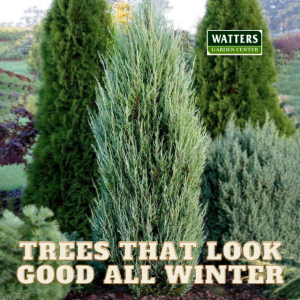
When the leaves fall and the ground turns white, many trees can look bare and lifeless. But there are a number of trees that maintain their beauty all winter long, with vibrant bark, colorful berries, or interesting shapes.
Here are a few trees that look good all winter:
Austrian Pines are native to the mountains of Central Europe. They have long, dark green needles and a dense, pyramidal shape. Austrian Pines are very hardy and can withstand cold winters and dry summers.
Black Pines are native to the Mediterranean region. They have dark green needles and a thick, scaly bark. Black Pines are also very hardy and can withstand cold winters and dry summers.
Colorado Blue Spruces are native to the Rocky Mountains of North America. They have silvery-blue needles and a dense, pyramidal shape. Colorado Blue Spruces are very popular ornamental trees and are known for their vibrant color.
Alberta Spruces are native to the Canadian Rockies. They have silvery-blue needles and a dense, conical shape. Alberta Spruces are smaller than Colorado Blue Spruces and are often used in foundation plantings.
Arizona Cypresses are native to the American Southwest. They have soft, gray-green needles and a columnar shape. Arizona Cypresses are very drought-tolerant and can withstand hot summers and cold winters.
All of these trees are relatively low-maintenance and can be a great addition to any winter landscape.
Visit Watters Garden Center today to see our wide selection of Austrian Pines, Black Pines, Colorado Blue Spruces, Alberta Spruces, and Arizona Cypresses! Our staff can help you choose the right tree for your yard and climate.
#wattersgardencenter, #wattersgardencenteraz, #mountaingardenerpodcast, #top10gardener,
#evergreens
Wednesday Nov 01, 2023
Wednesday Nov 01, 2023
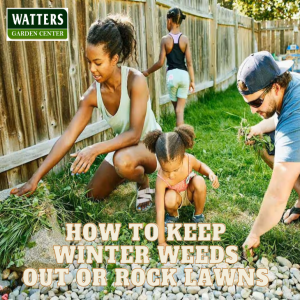
Winter weeds can be a nuisance in any lawn, but they can be especially troublesome in rock lawns. Rock lawns are designed to be low-maintenance, but they can still be susceptible to weeds, especially if they are not properly cared for.
There are a few things you can do to keep winter weeds out of your rock lawn:
- Remove any existing weeds. Before you do anything else, it is important to remove any existing weeds from your rock lawn. You can do this by hand-weeding or by using a herbicide. If you are using a herbicide, be sure to choose one that is safe for use on rock lawns.
- Apply a pre-emergent herbicide. A pre-emergent herbicide will help to prevent weeds from germinating in the first place. Apply a pre-emergent herbicide in the fall, before the first frost.
- Maintain a thick layer of mulch. Mulch will help to suppress weeds and keep your rock lawn looking its best. Apply a 2- to 3-inch layer of mulch to your rock lawn in the fall.
- Water regularly. Winter weeds are more likely to germinate in dry soil. Water your rock lawn regularly, especially during the winter months.
- Fertilize your rock lawn. Fertilizing your rock lawn will help to keep it healthy and strong, which will make it more resistant to weeds. Fertilize your rock lawn in the spring and fall with a balanced fertilizer.
Here are some additional tips for keeping winter weeds out of your rock lawn:
- Choose the right type of rock. Some types of rock are more resistant to weeds than others. For example, pea gravel is less likely to harbor weeds than larger rocks.
- Install a weed barrier. A weed barrier can help to prevent weeds from growing in your rock lawn. Place a weed barrier under the rocks when you are installing your rock lawn.
- Inspect your rock lawn regularly. Inspect your rock lawn regularly for weeds. If you see any weeds, remove them immediately.
If you have a severe winter weed problem, you may need to contact a professional lawn care company. They can help you to develop a customized weed control plan for your rock lawn.
Watters Garden Center has a variety of products that can help you to keep winter weeds out of your rock lawn.
- Watters Weed & Grass Stopper is a pre-emergent herbicide that will help to prevent weeds from germinating in the first place.
- Watters Weed Beater Ultra is a post-emergent herbicide that will kill existing weeds.
- Watters Mulch is a variety of mulch that will help to suppress weeds and keep your rock lawn looking its best.
- Watters Fertilizer is a balanced fertilizer that will help to keep your rock lawn healthy and strong.
Visit Watters Garden Center today for all of your winter weed control needs!
#wattersgardencenter, #wattersgardencenteraz, #mountaingardenerpodcast, #top10gardener,
#weedcontrol

Tuesday Oct 31, 2023
Tuesday Oct 31, 2023
Skunks are nocturnal animals that are native to North America. They are typically found in wooded areas, but they will also venture into urban and suburban areas in search of food and shelter.
There are a few reasons why skunks might be in your yard. One reason is that they are attracted to food sources. Skunks are omnivores, so they will eat a variety of things, including insects, grubs, fruits, and vegetables. If you have a lot of pests in your yard, such as grubs or beetles, skunks may be attracted to the food source.
Another reason why skunks might be in your yard is that they are looking for shelter. Skunks like to den in dark, secluded areas. If you have any woodpiles, sheds, or other structures on your property, skunks may be using them as dens.
Finally, skunks may be in your yard simply because they are passing through. Skunks have large home ranges, and they may travel several miles in a single night. If you live in an area where skunks are common, it is not unusual to see them in your yard occasionally.
How to discourage skunks from your yard:
There are a few things you can do to discourage skunks from your yard:
- Remove food sources. This means picking up any fallen fruit or vegetables, and making sure that your trash cans are secure.
- Eliminate shelter. If you have any woodpiles, sheds, or other structures on your property, seal them up so that skunks cannot use them as dens.
- Make your yard less attractive to skunks. This means removing any standing water, and trimming any bushes or shrubs that are close to your house.
#wattersgardencenter, #watterscardencenteraz, #mountaingardenerpodcast, #Top10Gardener,
#skunks, #gardenpests
Monday Oct 30, 2023
Monday Oct 30, 2023
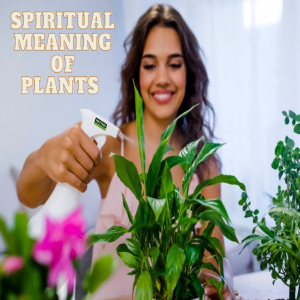
Houseplants are more than just pretty decorations. They can also have a profound spiritual meaning. In many cultures, houseplants are seen as symbols of life, growth, and abundance. They can also help to purify the air and create a more positive and harmonious environment.
Here are some of the spiritual meanings of popular houseplants:
- Peace Lily: The Peace Lily is a symbol of peace, tranquility, and purity. It is said to promote relaxation and reduce stress.
- Prayer Plant: The Prayer Plant is a symbol of gratitude and appreciation. It is said to help us connect with our inner selves and find a deeper sense of meaning in life.
- Snake Plant: The Snake Plant is a symbol of resilience and strength. It is said to help us overcome challenges and adversity.
- Swiss Cheese Plant: is a symbol of longevity, respect, and honor. According to Chinese symbolism, this plant represents long life and the act of honoring elders and respected figures.
- Philodendron: The Philodendron is a symbol of love and harmony. It is said to promote healthy relationships and create a more peaceful and loving home environment.
#wattersgardencenter, #watterscardencenteraz, #mountaingardenerpodcast, #Top10Gardener,
#houseplants

Sunday Oct 29, 2023
Sunday Oct 29, 2023
The Mountain Gardener Podcast is your one-stop shop for all things gardening Arizona’s High Country. Our hosts, Ken and Lisa Lain, are experienced gardeners who are passionate about helping others succeed in their gardens.
In each episode, we cover a wide range of topics, including:
- Shrubs for a Brighter Autumn Landscape
- What is the Best Plant Food?
- Which Container is Right for Your Orchid, African Violet, or Houseplant?
- Top 10 Colors of Fall
- Evergreen Trees that Last
- Insider Garden Tips and Tricks that Work
We also interview experts in the field and share listener stories.
Whether you're a beginner gardener or a seasoned pro, we have something for everyone on the Mountain Gardener Podcast.
Gardening can be a rewarding hobby, but it can also be challenging. There's a lot to learn about plants, soil, and climate.
In this episode, we'll share some insider gardening tips and tricks that work. We'll cover everything from choosing the right plants for your climate to protecting your plants from the cold.
We hope you'll join us for the Mountain Gardener Podcast! Subscribe today on your favorite podcast platform.
#wattersgardencenter, #wattersgardencenteraz, #mountaingardenerpodcast, #top10gardener,
Saturday Oct 28, 2023
Saturday Oct 28, 2023
Gardening can be a rewarding and enjoyable hobby, but it can also be challenging. There are many factors to consider, such as the type of plants you want to grow, the climate you live in, and the soil quality.
If you're looking for some insider gardening tips and tricks that work, here are a few from Watters Garden Center:
- Choose the right plants for your climate and altitude.
- Plant your plants in the right location. Some plants need full sun, while others prefer partial shade or even full shade. Be sure to research the needs of your plants before you plant them.
- Water your plants regularly. The amount of water your plants need will vary depending on the type of plants, the climate, and the time of year. However, most plants need about an inch of water per week.
- Fertilize your plants regularly. This will help them to grow strong and healthy. Be sure to follow the directions on the fertilizer label.
- Mulch your plants. Mulch will help to retain moisture, suppress weeds, and protect the roots of your plants.
Here are a few more insider tips:
- Amend your soil. If your soil is low in nutrients, you can add compost or manure.
- Water your plants deeply. It's better to water your plants deeply once a week than to water them lightly every day. Deep watering encourages the roots to grow deep, which makes the plants more drought-tolerant.
- Deadhead your flowers. This will encourage them to bloom more.
- Divide your perennials every few years. This will help them to stay healthy and vigorous.
At Watters Garden Center, we're not just selling plants. We're selling garden experiences. That's why we offer a variety of plant handouts and resources to help you succeed in your garden. We also have a team of knowledgeable staff who can answer your questions and help you choose the right plants and products for your needs.
So come on down to Watters Garden Center today and let us help you create the garden of your dreams!
#wattersgardencenter, #wattersgardencenteraz, #mountaingardenerpodcast, #top10gardener,
#insider gardening tips, #gardening tips and tricks, #gardening hacks, #gardeningexperiences, #amendingyoursoil
Friday Oct 27, 2023
Friday Oct 27, 2023
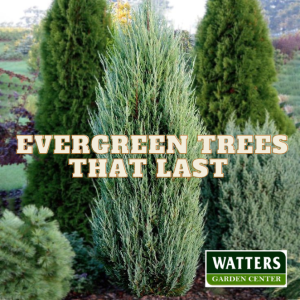
Evergreen Trees that Last: Now is a Great Time to Plant!
Evergreen trees are a beautiful and versatile addition to any landscape. They provide year-round interest and privacy, and they come in a wide variety of shapes, sizes, and colors. If you're looking for evergreen trees that will last, Watters Garden Center has a wide selection to choose from.
Why plant evergreen trees?
There are many benefits to planting evergreen trees. Here are just a few:
- Year-round interest: Evergreen trees provide year-round interest to your landscape, even in the winter when other plants are dormant.
- Privacy: Evergreen trees can be used to create a privacy screen, block out unwanted views, or simply add a sense of seclusion to your property.
- Wind protection: Evergreen trees can help to protect your home and other structures from the wind.
- Soil erosion prevention: Evergreen trees help to prevent soil erosion by holding the soil in place with their roots.
- Wildlife habitat: Evergreen trees provide food and shelter for a variety of wildlife, including birds, squirrels, and rabbits.
Which evergreen trees should I plant?
When choosing evergreen trees for your landscape, there are a few factors to consider, such as the size and shape of the tree, the climate you live in, and the amount of sun and shade in your yard.
Here are a few popular evergreen trees that are well-suited to the Prescott area:
- Deodar cedar: This fast-growing tree can reach heights of 50 feet or more. It has long, drooping branches with blue-green foliage.
- Arizona cypress: This native tree is known for its drought tolerance and fast growth rate. It can reach heights of 20 feet or more.
- Colorado spruce: This classic Christmas tree is a popular choice for its symmetrical shape and blue-green needles.
- Austrian pine: This fast-growing pine tree can reach heights of 60 feet or more. It has long, dark green needles and a dense growth habit.
Why 20% of your landscape should be evergreen
Landscape designers recommend that 20% of your landscape be evergreen trees. This helps to provide year-round interest and privacy, and it also creates a more balanced and harmonious landscape.
When to plant evergreen trees
The best time to plant evergreen trees in the Prescott area is in the fall or winter. This gives the trees time to establish their roots before the hot summer months.
How to plant evergreen trees
Here are a few tips for planting evergreen trees:
- Choose a sunny spot with well-drained soil.
- Dig a hole that is twice as wide as the root ball of the tree.
- Place the tree in the hole and backfill with soil, tamping down gently to remove any air pockets.
- Water the tree deeply.
- Mulch around the tree to help retain moisture and suppress weeds.
Caring for evergreen trees
Evergreen trees are relatively low-maintenance, but they do require some basic care. Here are a few tips:
- Water evergreen trees regularly, especially during the first year after planting.
- Fertilize evergreen trees in the spring with a balanced fertilizer.
- Prune evergreen trees as needed to remove dead or diseased branches and to maintain their shape.
If you're looking for evergreen trees that will last, Watters Garden Center has a wide selection to choose from. Visit us today or shop online at wattersgardencenter.com!
#wattersgardencenter, #wattersgardencenteraz, #mountaingardenerpodcast, #top10gardener, #evergreens
Thursday Oct 26, 2023
Thursday Oct 26, 2023
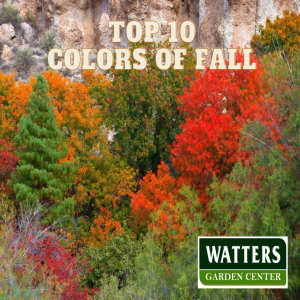
Fall is a beautiful time of year, with its crisp air, changing leaves, and harvest bounty. One of the best things about fall is the stunning colors that the leaves turn. From brilliant reds and oranges to deep purples and yellows, fall foliage is a sight to behold.
If you're looking to add some fall color to your yard or garden, here are some of the best plants to choose from:
Coles Compact Burning Bush is a small, shrub that grows to about 6 feet tall and wide. It has bright red leaves in the fall that turn a deep burgundy color in the winter.
Autumn Blaze Maple is a popular shade tree that grows to about 60 feet tall and 40 feet wide. It has brilliant red leaves in the fall.
Heavenly Bamboo is a fast-growing evergreen shrub that grows to about 10 feet tall and wide. It has dark green leaves with white variegation in the spring and summer. In the fall, the leaves turn a beautiful shade of yellow.
Oregon Grape Holly is a slow-growing evergreen shrub that grows to about 6 feet tall and wide. It has dark green leaves with yellow flowers in the spring. In the fall, the leaves turn a deep purple color.
These are just a few of the many plants that offer stunning fall foliage. Watch the Podcast to see the rest of Lisa’s recommendations.
When choosing plants for your yard or garden, be sure to consider the size and shape of the plants, as well as the desired fall foliage color. You may also want to consider the growing conditions in your area and choose plants that are well-suited to your climate and soil type.
With a little planning, you can create a beautiful fall landscape that you will enjoy for years to come.
#wattersgardencenter, #wattersgardencenteraz, #mountaingardenerpodcast, #top10gardener,
#fallcolorsforyourgarden, #autumnfoliage, #fallvibes, #fallcolorsinthearizonamoutains
Wednesday Oct 25, 2023
Wednesday Oct 25, 2023
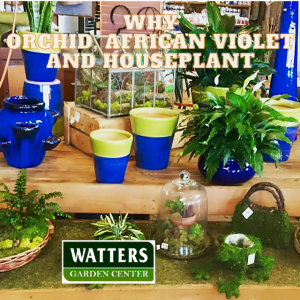
Orchid, African violet, and Houseplant containers are specially designed to meet the unique needs of these different types of plants.
Orchid Containers
Orchids are epiphytes, which means that they grow on other plants in the wild. Their roots need a lot of air circulation, so orchid pots have holes in the sides and bottom to allow for this. Orchid pots are also typically made of clay or plastic, which allows water to drain quickly.
African Violet Containers
African violets are delicate plants that need consistent moisture, but they don't like to sit in water. African violet pots have a special wicking system that allows water to be drawn up from the bottom of the pot as needed. This helps to prevent the roots from becoming overwatered or underwatered.
Houseplant Containers
Houseplant containers come in a variety of shapes and sizes, but they all have one thing in common: drainage holes. Drainage holes are essential for preventing root rot, so it's important to choose a container with at least one drainage hole.
When choosing a houseplant container, it's also important to consider the size of the plant and its root system. A pot that is too small will restrict the plant's growth, while a pot that is too large will hold too much water, which can lead to root rot.
Here are some additional tips for choosing the right container for your orchids, african violets, and houseplants:
- Choose a container that is the right size for the plant. The pot should be large enough to accommodate the plant's root system, but not so large that it holds too much water.
- Make sure the container has drainage holes. Drainage holes are essential for preventing root rot.
- Choose a container that is made of a material that is appropriate for the plant. Orchid pots should be made of clay or plastic, while African violet pots should have a special wicking system. Houseplant containers can be made of a variety of materials, but they should all have drainage holes.
At Watters Garden Center, we carry a wide variety of orchid, African violet, and houseplant containers to choose from. Our knowledgeable staff can help you choose the right container for your needs.
Additional Tips
- Repot your plants every year or two, or when they outgrow their current pots.
- When repotting, use a fresh potting mix.
- Water your plants regularly, but be careful not to overwater them.
- Fertilize your plants according to the instructions on the fertilizer label.
By following these tips, you can help your orchids, African Violets, and Houseplants thrive.
#wattersgardencenter, #wattersgardencenteraz, #mountaingardenerpodcast, #top10gardener,
#differencesbetweenorchidafricanvioletandhouseplantcontainers,

Tuesday Oct 24, 2023
Tuesday Oct 24, 2023
The best plant food is one that provides your plants with the nutrients they need to grow and thrive. The specific nutrients that your plants need will vary depending on the type of plants you are growing. However, there are some general nutrients that all plants need, such as nitrogen, phosphorus, and potassium.
Here is a guide to choosing the best plant food for your needs:
- Fruit trees: Fruit trees need fertilizer that is high in nitrogen, phosphorus, and potassium. This will help them to produce abundant fruit.
- Vegetables: Vegetables also need fertilizer that is high in nitrogen, phosphorus, and potassium. However, they also need other nutrients, such as calcium and magnesium.
- Pumpkins: Pumpkins need fertilizer that is high in nitrogen and phosphorus. This will help them to grow large and plump.
- Berries: Berries need a fertilizer that is high in nitrogen and potassium. This will help them to produce abundant berries.
- Grapes: Grapes need fertilizer that is high in phosphorus and potassium. This will help them to produce sweet and juicy grapes.
When choosing a plant food, it is important to consider the NPK ratio. The NPK ratio is a three-number code that indicates the percentage of nitrogen, phosphorus, and potassium in the fertilizer. For example, a fertilizer with an NPK ratio of 7-4-4 contains 7% nitrogen, 4% phosphorus, and 4% potassium.
The NPK ratio of the fertilizer you choose should depend on the type of plants you are growing and their specific needs. For example, if you are growing fruit trees, you will want to choose a fertilizer with a high NPK ratio. If you are growing vegetables, you will want to choose a fertilizer with a lower NPK ratio and more calcium and magnesium.
Watters Garden Center offers a variety of plant foods to choose from, including:
- All Purpose Plant Food 7-4-4: This fertilizer is a good choice for all types of plants. It is a balanced fertilizer that contains nitrogen, phosphorus, and potassium in equal proportions.
- All Organic Fruit and Vegetable Food People and Pet Friendly: This fertilizer is a good choice for organic gardeners. It is made from natural ingredients and is safe for people and pets.
You can also find a variety of other plant foods at Watters Garden Center, including fertilizers for specific types of plants, such as roses, tomatoes, and lawns.
Calcium for Better Tasting Fruit
Calcium is an important nutrient for all plants, but it is especially important for fruit trees and vegetables. Calcium helps to improve the flavor and size of fruit. It also helps to prevent diseases and pests.
If you want to get the best tasting fruit from your fruit trees and vegetables, be sure to use a fertilizer that contains calcium. You can also supplement your plants with calcium by using a calcium spray or by adding lime to the soil.
How to Apply Plant Food
The best way to apply plant food depends on the type of fertilizer you are using. Some fertilizers can be applied directly to the soil, while others need to be mixed with water and applied to the leaves of the plant.
If you are using a granular fertilizer, be sure to follow the instructions on the label. Most granular fertilizers should be applied in the spring and fall.
If you are using a liquid fertilizer, be sure to mix it with water according to the instructions on the label. Liquid fertilizers can be applied to the soil or to the leaves of the plant.
Tips for Using Plant Food
- Always follow the instructions on the label.
- Do not overfertilize your plants. Overfertilizing can damage your plants and pollute the environment.
- Water your plants regularly, especially after applying plant food.
- Fertilize your plants regularly, especially during the growing season.
By following these tips, you can use plant food to help your plants grow and thrive.
#wattersgardencenter, #wattersgardencenteraz, #mountaingardenerpodcast, #top10gardener, #how to choose the best plant food for your plants, #organic plant food, #all-purpose plant food, #fruittreefertilizer
Monday Oct 23, 2023
Monday Oct 23, 2023
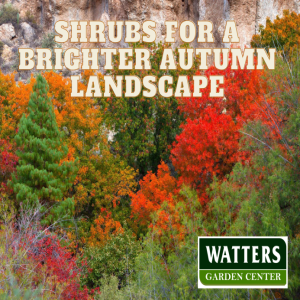
Autumn is a time for change, and there's nothing more beautiful than the transformation of leaves from green to vibrant shades of red, orange, and yellow. If you're looking for ways to add some extra color to your autumn landscape, consider planting some shrubs.
Here are a few of the best shrubs for a brighter autumn landscape:
- Aspen: Aspens are known for their stunning golden foliage in the fall. They're also relatively easy to care for and can tolerate a wide range of climates.
- Maples: Maples are another popular choice for fall foliage. They come in a variety of colors, including red, orange, and yellow. Some popular varieties include Japanese maples, Norway maples, and sugar maples.
- Sumac: Sumac is a native North American shrub that produces bright red leaves in the fall. It's also a good source of food for birds and other wildlife.
- Barberry: Barberries are known for their bright red, orange, and purple foliage in the fall. They're also relatively low-maintenance and can tolerate a variety of soil conditions.
- Boston Ivy: Boston Ivy is a fast-growing vine that can be used to cover walls, fences, and other structures. It produces bright red leaves in the fall.
- Virginia Creeper: Virginia Creeper is another fast-growing vine that produces bright red leaves in the fall. It's also very tolerant of shade and poor soil conditions.
- Burning Bush: Burning bush is a popular shrub that produces bright red leaves in the fall. It's relatively easy to care for and can tolerate a wide range of climates.
When choosing shrubs for your autumn landscape, be sure to consider the size and shape of the plants, as well as the desired fall foliage color. You may also want to consider the growing conditions in your area and choose shrubs that are well-suited to your climate and soil type.
Here are a few tips for planting and caring for shrubs:
- Choose a sunny spot for most shrubs. Some shrubs, such as Boston Ivy and Virginia Creeper, will tolerate shade.
- Plant shrubs in well-drained soil.
- Water shrubs regularly, especially during the first year after planting.
- Fertilize shrubs in the spring with a balanced fertilizer.
- Prune shrubs as needed to maintain their shape and size.
With a little planning, you can create a stunning autumn landscape with shrubs that will provide years of enjoyment.
Visit Watters Garden Center today to see our wide selection of shrubs for a brighter autumn landscape!
#wattersgardencenter, #watterscardencenteraz, #mountaingardenerpodcast, #Top10Gardener, #shrubs for fall foliage, #best shrubs for autumn color, # best shrubs for fall foliage in Arizona

Sunday Oct 22, 2023
Sunday Oct 22, 2023
Watters Premium Plant Food: The Best Plant Food for Really Healthy Plants
Looking for the best plant food to help your plants thrive? Look no further than Watters Premium Plant Food! This all-purpose fertilizer is specially formulated to provide your plants with the nutrients they need to produce lush, green foliage, vibrant blooms, and delicious fruits and vegetables.
Watters Premium Plant Food contains a balanced blend of nitrogen, phosphorus, and potassium (NPK), as well as essential micronutrients like iron, magnesium, and calcium. This nutrient-rich formula helps to promote strong root growth, healthy leaf development, and abundant flowering and fruiting.
Watters Premium Plant Food is also easy to use. Simply mix it with water and apply it to the soil around your plants according to the package directions. You can use it on all types of plants, including flowers, vegetables, trees, shrubs, and houseplants.
Here are just a few of the benefits of using Watters Premium Plant Food:
- Promotes strong root growth
- Encourages healthy leaf development
- Boosts flowering and fruiting
- Increases resistance to pests and diseases
- Improves overall plant health and vigor
Tips for getting the most out of Watters Premium Plant Food:
- Water your plants regularly, especially during hot weather.
- Mulch around your plants to help retain moisture and suppress weeds.
- Test your soil every few years to determine the pH level and nutrient content.
- Apply fertilizer according to the package directions and avoid over-fertilizing.
With Watters Premium Plant Food, you can give your plants the nutrients they need to thrive and produce their best blooms, fruits, and vegetables.
#wattersgardencenter, #wattersgardencenteraz, #mountaingardenerpodcast, #top10gardener, #fertilizer, #plantfood