

10 Weekly Tips to Brighter Plants. Gardening can be challenging, but with these insider tips, you’ll reap Huge rewards.
Episodes
Thursday Oct 05, 2023
Thursday Oct 05, 2023
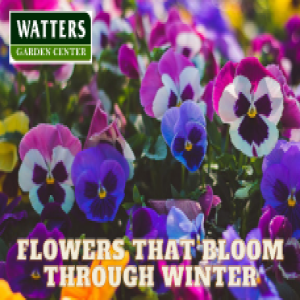
Autumn is a beautiful time of year, with its vibrant leaves and crisp air. But as the days get shorter and the nights get colder, many flowers begin to fade.
However, there are a number of autumn flowers that also bloom through winter, adding a touch of color and beauty to your garden even during the darkest months.
In this video, we'll share our top picks for autumn flowers that bloom through winter, as well as tips on how to care for them.
Here are a few of our favorites:
- Pansies and Violas: These cheerful flowers come in a variety of colors and bloom throughout the fall and winter.
- Snapdragons: Snapdragon flowers have a unique shape that resembles a dragon's mouth. They come in a variety of colors, including red, yellow, pink, and purple.
- Chrysanthemums: These hardy flowers bloom in late fall and early winter, and come in a variety of colors and shapes.
- Butterfly Bush: Butterfly bush is a flowering shrub that attracts butterflies and other pollinators. It comes in a variety of colors, including red, purple, pink, and white. Butterfly bush prefers full sun to partial shade and well-drained soil. Water it regularly, especially during the first few weeks after planting.
- Ornamental Grasses: Ornamental grasses add height and movement to your garden. They are also a good choice for attracting wildlife.
- Abelias: Abelia is a flowering shrub that produces clusters of bell-shaped flowers in a variety of colors, including pink, red, and white. Abelia prefers full sun to partial shade and well-drained soil. Water it regularly, especially during the first few weeks after planting.
Tips for caring for autumn flowers that bloom through winter:
- Plant them in the right location. Most autumn flowers that bloom through winter prefer full sun to partial shade.
- Water them regularly. Even though the weather is cooler in the fall and winter, your plants still need water. Be sure to water them deeply once a week, or more often if the weather is dry.
- Fertilize them regularly. A balanced fertilizer will help your plants to produce more flowers.
- Protect them from frost. If you live in a cold climate, you may need to protect your plants from frost. You can do this by covering them with a tarp or sheet on cold nights.
- Mulch around them. Mulching helps to retain moisture in the soil and protect the roots from the cold.
Visit Watters Garden Center for all of your autumn flower needs! We have a wide selection of autumn flowers that bloom through winter, as well as fertilizers, mulch, and other gardening supplies. Our staff is always happy to help you choose the right products for your garden and answer any questions you may have.
Autumn flowers that bloom through winter: tips from Watters Garden Center, the top 10 gardener podcast.
#plantingflowers, #fallgardening, #wintergardening, #flowercare
Wednesday Oct 04, 2023
Wednesday Oct 04, 2023
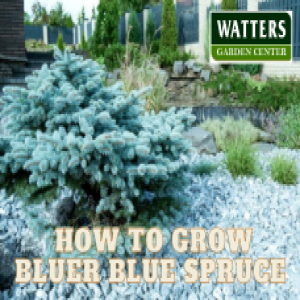
Blue spruce and silver conifers are beautiful trees and shrubs that can add a touch of elegance to any landscape. However, their blue color can fade over time, especially if they are not properly cared for.
In this video, we'll share our insider tips on how to keep your blue spruce and silver conifers looking their best.
Here are a few of our top tips:
- Plant them in the right location.
- Water them regularly.
- Fertilize them annually.
- Mulch around them.
- Protect them from pests and diseases.
Visit Watters Garden Center for all of your blue spruce and silver conifer needs! Our staff is always happy to help you choose the right products for your garden and answer any questions you may have.
#bluespruce, #silverconifers, #insidertips, #wattersgardencenter, #top10gardenerpodcast
Tuesday Oct 03, 2023
Tuesday Oct 03, 2023
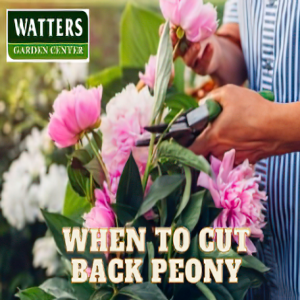
Peonies are beautiful flowers that are known for their large blooms and long-lasting fragrance. However, they can be a bit tricky to care for, especially when it comes to cutting them back.
In this video, we'll share our tips on when to cut back peonies and how to do it properly.
When to cut back peonies:
The best time to cut back peonies is in the fall, after the foliage has turned yellow and died back. This usually happens in October or November.
How to cut back peonies:
To cut back peonies, simply use a sharp pair of shears to cut the stems down to about 1 inch above the ground. Be careful not to damage the crown of the plant, which is the thick, fleshy area at the base of the stems.
Why cut back peonies:
Cutting back peonies helps to remove any diseased or damaged foliage, which can prevent pests and diseases from overwintering in your garden. It also helps to promote new growth the following spring.
Tips for cutting back peonies:
- Use a sharp pair of shears to make clean cuts.
- Cut the stems down to about 1 inch above the ground.
- Be careful not to damage the crown of the plant.
- Remove any dead or diseased foliage.
Visit Watters Garden Center for all of your peony needs! We have a wide selection of peony plants, fertilizers, and other gardening supplies. Our staff is always happy to help you choose the right products for your garden and answer any questions you may have.
Peony care tips from Watters Garden Center, the top 10 gardener podcast.
#peonies #cuttingbackpeonies #peonycare #wattersgardencenter #top10gardenerpodcast

Monday Oct 02, 2023
Monday Oct 02, 2023
Autumn is a great time to prepare your garden for the winter ahead. By following a few simple steps, you can ensure that your plants are healthy and strong next spring.
In this video, we'll share our top 10 garden tasks of autumn:
- Clean up your garden beds. Remove any dead or diseased plants, and weeds. This will help to prevent pests and diseases from overwintering in your garden.
- Fertilize your plants. A balanced fertilizer will help your plants to store nutrients for the winter.
- Water your plants regularly. Even though the weather is cooler in the fall, your plants still need water. Be sure to water them deeply once a week, or more often if the weather is dry.
- Protect your plants from frost. If you live in a cold climate, you may need to protect your plants from frost. You can do this by covering them with a tarp or sheet on cold nights.
- Mulch your garden beds. Mulch will help to insulate your plants' roots and protect them from the cold.
- Plant spring bulbs. Spring bulbs are planted in the fall and will bloom in the spring. This is a great way to add color and interest to your garden early in the season.
- Divide your perennials. Perennials are plants that come back year after year. If they have become overgrown, you can divide them in the fall. This will help them to stay healthy and bloom more profusely next spring.
- Prune your shrubs and trees. Pruning will help to control the size and shape of your shrubs and trees, and it will also remove any dead or diseased branches.
- Clean your garden tools. Before you put your garden tools away for the winter, be sure to clean them thoroughly. This will help to prevent the spread of pests and diseases.
- Take a break! Gardening can be hard work, so be sure to take some time to relax and enjoy your garden in the fall.
Visit Watters Garden Center for all of your fall gardening needs! We have a wide selection of plants, fertilizers, and other gardening supplies. Our staff is always happy to help you choose the right products for your garden and answer any questions you may have.
Fall gardening tips from Watters Garden Center, the top 10 gardener podcast.

Saturday Sep 30, 2023
Saturday Sep 30, 2023
Mosquitos and flies can ruin a garden party, but there are a few things you can do to keep them away. Here are a few tips from the Top10 Gardener Podcast:
- Choose the right location for your party. Avoid areas with standing water, as this is where mosquitoes breed. If you must have your party in an area with standing water, try to eliminate as much of it as possible.
- Use fans. #Mosquitos and flies are weak flyers, so fans can help to keep them away. Place fans around the perimeter of your party area and in any areas where people are congregating.
- Plant mosquito-repelling plants. Certain plants, such as citronella, lavender, and rosemary, emit aromas that repel mosquitoes and flies. Plant these plants around your party area to create a natural barrier against pests.
- Use mosquito repellent. There are a variety of mosquito repellents available, including sprays, lotions, and candles. Choose a repellent that is appropriate for the age and health of your guests.
- Encourage your guests to wear long sleeves and pants. This will help to protect them from mosquito bites.
Here are a few additional tips from Wattersgardencenter.com:
- Serve food and drinks in covered containers. This will help to prevent #flies from landing on the food and drink.
- Clean up spills immediately. Don't let food and drink sit out for too long, as this will attract flies.
- Use citronella candles or torches. These can help to repel mosquitoes and flies.
By following these tips, you can create a mosquito- and fly-free environment for your next garden party.
#wattersgardencenter, #wattersgardencenteraz, #Top10GardenerPodcast, #insects

Friday Sep 29, 2023
Friday Sep 29, 2023
Fall is a beautiful time of year, with the leaves changing color and the air becoming crisp and cool. And what better way to enjoy the fall season than with a riotous display of flowers in your yard or garden?
In this episode of the Top 10 Gardner Podcast, we'll be talking about the top 10 flowers for riotous autumn blooms and color. We'll discuss each flower in detail, including its blooming time, growing requirements, and best uses in the landscape.
We'll also share some tips on how to create a beautiful and colorful fall garden. So whether you're a beginner gardener or a seasoned pro, you're sure to learn something new from this episode.
Here's a sneak peek at some of the flowers we'll be discussing:
- Chrysanthemums
- Asters
- Pansies
- Violas
- Sedums
- Gaillardia
- Marigolds
- Salvias
- Russian Sage
- Snapdragons
- Alyssum
If you're looking to add some color and excitement to your fall garden, then you won't want to miss this episode of the Top 10 Gardener Podcast. Be sure to tune in to learn more about the top 10 flowers for riotous autumn blooms and color!
Subscribe to the Top 10 Gardner Podcast today and never miss an episode! You can find us on iTunes, Google, Spotify, Amazon Music, TuneIn, and iHeartRadio.
#wattersgardencenter, #wattersgardencenteraz, #Top10GardenerPodcast, #fallplanting
Thursday Sep 28, 2023
Thursday Sep 28, 2023
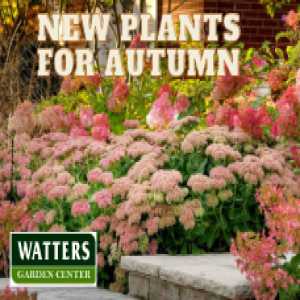
Lisa Watters-Lain is ready for autumn with a new selection of plants, including:
She is excited to share some of her New Plants for Autumn 2023 from Wattersgardencenter.com:
- Pansies and Violas: These colorful flowers are perfect for adding a touch of brightness to your fall garden. They are also relatively easy to care for, making them a good choice for beginner gardeners.
- Snapdragons: Snapdragon flowers have a unique shape that resembles a dragon's mouth. They come in a variety of colors, including red, yellow, pink, and purple.
- Dusty Miller: Dusty Miller is a silver-leaved plant that can add contrast and texture to your garden. It is also a good choice for drought-tolerant gardens.
- Alyssum: Alyssum is a small, flowering plant that produces masses of tiny white or purple flowers. It is a good choice for borders and edging.
- Ornamental Grasses: Ornamental grasses add height and movement to your garden. They are also a good choice for attracting wildlife.
- Sumac: Sumac is a shrub that produces bright red foliage in the fall. It is a good choice for adding a pop of color to your landscape.
Whether you're freshening up an existing landscape or starting with a blank slate Watters Garden Center has the plants you need to create a beautiful and productive garden.
#wattersgardencenter, #wattersgardencenteraz, #Top10GardenerPodcast, #autumnplants

Wednesday Sep 27, 2023
Wednesday Sep 27, 2023
How to Identify Dangerous Snakes in the Garden
Whether you're an avid gardener or simply enjoy spending time outdoors, it's important to be able to identify dangerous snakes in your area. In this episode of the Top10 Gardener Podcast, we'll discuss the key characteristics of venomous snakes and how to stay safe around them.
How to identify dangerous snakes
Venomous snakes typically have a triangular-shaped head, slit pupils, and a thick body. Some venomous snakes, such as rattlesnakes, also have rattles on their tails. However, not all snakes with these characteristics are venomous, so it's important to be familiar with the specific types of venomous snakes in your area.
What to do if you see a snake in your garden
If you see a snake in your garden, the best thing to do is to leave it alone. Snakes are generally shy and will avoid humans if possible. If you need to move a snake, you can use a long-handled shovel to gently nudge it away. If the snake is venomous, do not attempt to handle it yourself. Call a professional snake remover.
How to prevent snakes from coming into your garden
There are a few things you can do to prevent snakes from coming into your garden:
- Keep your yard tidy and free of debris. Snakes like to hide in tall grass and piles of leaves.
- Seal up any holes or cracks in your foundation or siding. Snakes can use these openings to enter your home or garage.
- Trim bushes and trees away from your home. Snakes can climb trees and shrubs to reach your roof or upper-level windows.
Ken Lain, The Top 10 Mountain Gardener says "Literally, they'll be gone within just a few hours. They're just resting while they get their energy back and they'll move on by themselves. You don't have to take a shovel to the head. They're good for us out there."
#wattersgardencenter, #wattersgardencenteraz, #Top10GardenerPodcast, #snakesinthelandscape
Tuesday Sep 26, 2023
Tuesday Sep 26, 2023
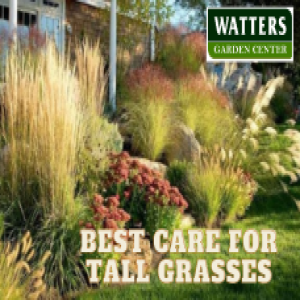
We've gotten some huge selections of grasses in. Pampas grass, Carl Forrester's, Buddy grass. They're all in bloom. They're just stunning. Yeah, they're gorgeous. You let them bloom through the end of the year. Then Ken Lain, The Top 10 Gardener, says that he usually cuts back his grasses in January, when they have turned tan and are starting to lose their shape. He cuts most grass back to ankle level, but some larger grasses, like Pampas grass, he may cut back to knee level.
He recommends waiting until the end of the year to cut back grasses because they provide structure and interest to the garden during the winter months. Even after the grass has turned tan, the plumes can still be quite attractive.
However, once the grasses start to lay over and lose their shape, it's time to cut them back. This will help to promote new growth in the spring.
Here are some additional tips for cutting back Ornamental Grass:
- Use sharp shears or a pruning saw to make clean cuts.
- Remove any dead or diseased leaves or stems.
- Fertilize in the spring to encourage new growth.
- Water regularly, especially during the first year after planting.
With proper care, your grasses will thrive for many years to come.
Monday Sep 25, 2023
Monday Sep 25, 2023
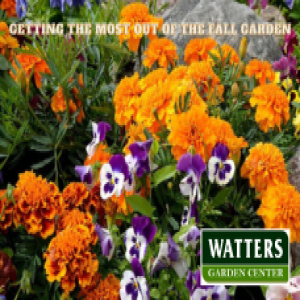
In this podcast from Top10 Gardener, we'll join Ken Lain, the mountain gardener, at Watters Garden Center to learn how to get the most out of your autumn garden. Ken will share his expert tips on everything from planting cool-season vegetables to preparing your garden for winter.
You'll learn:
- The best plants to plant in the fall
- How to enrich your soil for the coming year
- When to clean up your garden
- How to protect your plants from the winter cold
- And much more!
Whether you're a seasoned gardener or just getting started, this video podcast is packed with valuable information to help you make the most of your autumn garden.
Visit Watters Garden Center today to find all the plants and supplies you need for a successful autumn garden. And don't forget to subscribe to the Top10 Gardener Podcast for more expert gardening tips and advice.
#wattersgardencenter #wattersgardencenteraz #fallgardening
Sunday Sep 24, 2023
Sunday Sep 24, 2023
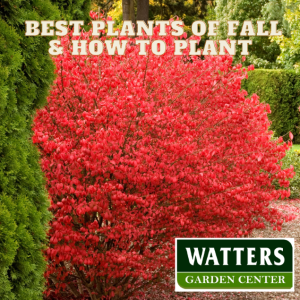
Fall is a great time to plant new plants in your garden. The weather is more relaxed, and the soil is warm enough for plants to take root and establish themselves. In this episode, we will talk about the top 10 plants of fall and how to plant them.
We'll start by discussing chrysanthemums, a classic fall flower in many colors. We'll then discuss pansies, violas, asters, goldenrods, sedum, Russian sage, purple coneflower, hydrangeas, ornamental grasses, and fall bulbs.
We'll also discuss choosing the right plants for your garden and caring for them after planting. So if you want to add beauty and interest to your garden this fall, be sure to listen to this episode.

Saturday Sep 23, 2023
Saturday Sep 23, 2023
Privacy screens are a great way to add privacy to your yard and block out unsightly views. But how many plants do you need for a #privacy screen?
The number of plants you need will depend on the height and width of your desired privacy screen and the spacing requirements of the plants you choose.
To calculate the number of plants you need, follow these steps:
- Determine the height and width of your desired privacy screen.
- Divide the height and width of your privacy screen by the spacing requirements of the plants you choose.
For example, if you want a privacy screen that is 6 feet tall and 10 feet wide, and the plants you choose have a spacing requirement of 2 feet, you would need 30 plants. (6 feet / 2 feet = 3 plants; 10 feet / 2 feet = 5 plants; 3 plants x 5 plants = 30 plants)
It is important to note that this is just a general guideline. The actual number of plants you need may vary depending on the specific plants you choose and the desired density of your privacy screen.
For more information on how to plant a privacy screen, be sure to check out Wattersgardencenter.com. They have a wide selection of plants that are perfect for privacy screens, as well as a wealth of knowledge and resources on all things gardening.
Here are some additional tips for planting a privacy screen:
- Choose plants that are the appropriate height and width for your desired privacy screen.
- Consider the climate and soil conditions in your area when choosing plants.
- Plant the plants in a staggered pattern to create a more dense screen.
- Water the plants regularly, especially during the first few weeks after planting.
- Fertilize the plants every few weeks with a balanced fertilizer.
- Deadhead spent flowers to encourage new blooms.
- Mulch around the plants to help retain moisture and suppress weeds.
With a little care, your privacy screen will thrive and provide you with privacy and enjoyment for many years to come.
Friday Sep 22, 2023
Friday Sep 22, 2023
Autumn is a beautiful time of year for gardeners. The weather is cool and crisp, and the plants are putting on a show of color. If you're looking for some plants to add to your #autumn garden, here are a few of the best:
- Asters (Symphyotrichum): Asters come in various colors, including blue, purple, pink, and white. They bloom in the fall and winter and are a good food source for pollinators.
- Chrysanthemums (Chrysanthemum): Chrysanthemums are another popular fall flower. They come in a variety of colors, including yellow, orange, red, and white. They bloom in the fall and winter, and they are a good source of food for pollinators.
- Pansies (Viola): Pansies are a cool-season flower that blooms in the fall and spring. They come in various colors, including purple, yellow, orange, and white.
- Sedums (Hylotelephium): Sedums are succulent plants that bloom in the fall. They come in a variety of colors, including pink, red, and yellow.
- Ornamental grasses: Ornamental grasses add texture and interest to the fall garden. They come in a variety of heights and colors, including green, gold, and burgundy.
How to Plant
To plant fall plants, follow these steps:
- Choose a sunny spot in your garden with well-drained soil.
- Amend the #soil with #compost or manure.
- Dig a hole that is twice as wide as the root ball of the plant.
- Place the plant in the hole and backfill with soil, tamping down gently to remove any air pockets.
- Water the plant well.
Tips for Care
Fall plants are relatively easy to care for. Here are a few tips:
- #Water regularly, especially during the first few weeks after planting.
- #Fertilize every few weeks with a balanced fertilizer.
- #Deadhead spent flowers to encourage new blooms.
- #Mulch around the plants to help retain moisture and suppress weeds.
With a little care, your fall plants will thrive and add beauty to your garden for many years to come.
Thursday Sep 21, 2023
Thursday Sep 21, 2023
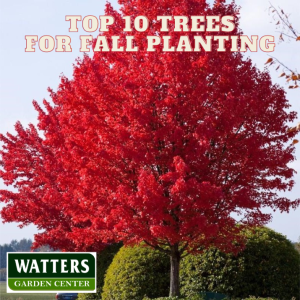
Fall is a great time to plant trees. The cooler temperatures and shorter days help to reduce stress on the trees, and they have plenty of time to establish themselves before winter.
If you're looking for ideas for trees to plant in your fall garden, check out Wattersgardencenter.com. They have a wide selection of trees perfect for this time of year.
Here are the top 10 trees for fall planting, according to Wattersgardencenter.com
-
Red Maple (Acer rubrum) Red #maples are known for their beautiful red fall #foliage. They are also fast-growing and relatively easy to care for.
-
Sugar Maple (Acer saccharum) Sugar maples are another great option for fall foliage. They are also a good source of maple syrup.
-
Japanese Maple (Acer palmatum) Japanese maples are known for their delicate leaves and beautiful fall colors. They are also relatively slow-growing, making them a good choice for small yards.
-
Dogwood (Cornus florida) #Dogwoods are known for their beautiful white or pink spring flowers and their red fall foliage. They are also relatively easy to care for.
-
Crabapple (Malus) Crabapple trees produce beautiful spring flowers and small fruits in the fall. They are also relatively easy to care for.
-
Birch (Betula) #Birch trees are known for their white or silver bark and their bright green summer foliage. Some varieties also have yellow or orange fall foliage.
-
Oak (Quercus) Oaks are slow-growing but long-lived trees. They are known for their sturdy branches and beautiful fall foliage.
-
Magnolia (Magnolia) Magnolia trees are known for their beautiful spring flowers and their large, dark green leaves. Some varieties also have yellow or orange fall foliage.
-
Hornbeam (Carpinus) #Hornbeam trees are known for their dense foliage and their ability to tolerate a variety of soil and sun conditions. Some varieties also have yellow or orange fall foliage.
-
Sweetgum (Liquidambar styraciflua) #Sweetgum trees are known for their star-shaped leaves and their brilliant red, orange, and yellow fall foliage.
When choosing a tree to plant in your #fall garden, be sure to consider the size and shape of the tree, as well as its climate and soil requirements. You should also consider the purpose of the tree. For example, if you are looking for a tree to provide shade, you will want to choose a tree that grows to a large size. If you are looking for a tree to provide privacy, you will want to choose a tree with dense foliage.
No matter what your needs are, you are sure to find the perfect tree for your fall garden at Wattersgardencenter.com.
Wednesday Sep 20, 2023
Wednesday Sep 20, 2023
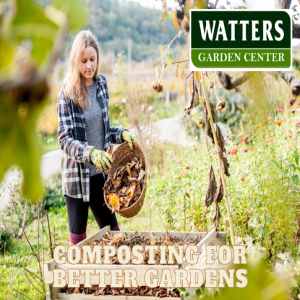
Composting is one of the best things you can do for your garden. Recycling food scraps and yard waste is a natural way creating a rich, nutrient-rich fertilizer that will help your plants thrive.
There are many different ways to #compost, but one of the simplest is to start a compost pile in your backyard. To do this, choose a spot in your yard that gets plenty of sun and shade, and add layers of food scraps and yard waste.
Be sure to mix the layers together well, and add water regularly to keep the compost moist. Every few weeks, turn the compost pile with a pitchfork to aerate it.
After a few months, your compost will be ready to use. You can add it to your garden #soil or use it to make a compost tea.
Composting is a great way to improve your garden soil and reduce environmental impact. It's a fun and rewarding project that the whole family can enjoy.
For more information on composting, be sure to check out Wattersgardencenter.com. They have a wealth of knowledge and resources on all things gardening.
Here are some of the benefits of composting for your garden:
- Improved soil structure: Compost adds #organic matter to the soil, which helps to improve drainage and aeration.
- Increased nutrient levels: Compost is rich in nutrients essential for plant growth, such as nitrogen, phosphorus, and potassium.
- Reduced need for #fertilizers: Compost can help to reduce the need for commercial fertilizers, which can save you money and help to protect the environment.
- Suppressed pests and diseases: Compost can help to stop pests and diseases by creating a healthy soil environment.
- Increased water retention: Compost helps the soil retain water, reducing the need for watering.
If you're looking for a way to improve your #garden soil and reduce your environmental impact, composting is a great option. And Wattersgardencenter.com is the perfect place to start.