

10 Weekly Tips to Brighter Plants. Gardening can be challenging, but with these insider tips, you’ll reap Huge rewards.
Episodes
Tuesday Sep 19, 2023
Tuesday Sep 19, 2023
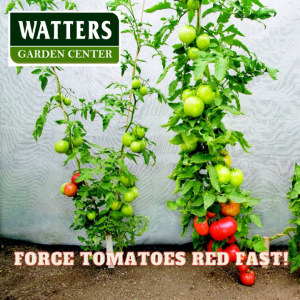
If you're growing #tomatoes, you know that waiting for them to turn red can be frustrating. But you can do a few things to speed up the process.
One way to make tomatoes turn red faster is to pick them when they're still slightly green. Place them in a paper bag with an apple or banana. The ethylene gas emitted by these fruits will help to ripen the tomatoes more quickly.
Another way to speed up the ripening process is to place the tomatoes in a warm, dark place. A pantry or basement is ideal. The warm temperature will help the tomatoes to ripen, and the dark environment will prevent them from becoming overripe.
You can also help them ripen faster by providing full sun and regular watering. Tomatoes need at least 6 hours of sunlight per day to ripen correctly. They should be watered regularly, but not too much. Overwatering prevents tomatoes from maturing properly.
If you follow these tips, you'll enjoy your #homegrown red tomatoes in no time!
For more information on how to make tomatoes turn red faster, be sure to check out Wattersgardencenter.com. They have a wealth of knowledge and resources on all things gardening.
Here are some additional tips from Wattersgardencenter.com:
- Choose a suitable variety of tomatoes. Some types of tomatoes ripen faster than others. For example, cherry and grape tomatoes typically ripen faster than #beefsteak tomatoes.
- Fertilize regularly. Tomatoes need a balanced #fertilizer to produce healthy fruit. Be sure to follow the directions on the fertilizer label.
- Harvest regularly. The more often you harvest tomatoes, the more likely they ripen quickly.
- Monitor the weather. Tomatoes ripen more slowly in hot weather above 85 degrees Fahrenheit. You should take steps to cool down your tomatoes, such as placing them in a shady spot or watering them more frequently.
You can enjoy your homegrown red tomatoes all season long with some care and attention!
Monday Sep 18, 2023
Monday Sep 18, 2023
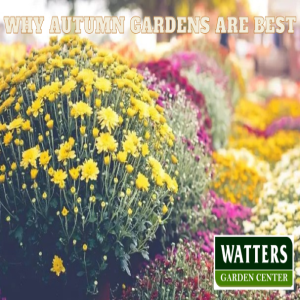
Autumn is a magical time for gardeners. The leaves change color, the air is crisp, and the garden is full of life. But what makes autumn gardens so special?
There are a few reasons. First, many plants peak in the fall. This is when they produce their most colorful flowers and foliage. Second, the cooler temperatures and shorter autumn days help plants create more complex flavors. Third, autumn is a great time to plant new trees and shrubs, as they will have plenty of time to establish themselves before winter.
If you're looking for some inspiration for your autumn garden, be sure to check out Wattersgardencenter.com. They have a wide selection of perfect plants for this time of year. Their knowledgeable staff can help you choose the right plants for your needs.
Here are a few of the many benefits of autumn gardening:
- Beautiful fall foliage: Many trees and shrubs put on a spectacular show of color in the fall. This is due to the changing levels of chlorophyll and other pigments in the leaves. Top10Trees.com
- Sweeter fruits and vegetables: The cooler temperatures of autumn help plants to produce sweeter fruits and vegetables. The plants have more time to develop sugars and other flavors. Top10Herbs.com
- Abundant wildlife: Autumn is a great time to attract wildlife to your garden. Many birds and other animals seek food and shelter before winter.
- Less weeding and pests: Weeds and pests are less active in the fall, so you'll have less work to do in your garden.
Consider autumn gardening if you're looking for a beautiful and rewarding gardening experience. Wattersgardencenter.com is the perfect place to start. Top10Gardener podcast
Sunday Sep 17, 2023
Sunday Sep 17, 2023
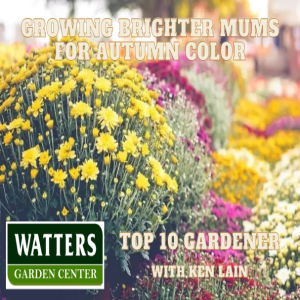
- Chrysanthemums are a classic fall flower, and for good reason. They come in various colors, from bright yellows and oranges to deep purples and maroons. They are also relatively easy to care for, making them a good choice for beginner gardeners.
- Mums are another popular fall flower. They are similar to chrysanthemums, but they tend to be smaller and have a more delicate appearance. Mums come in various colors, including pink, white, and lavender.
- Sedum is a succulent plant that blooms in the fall. It produces clusters of small, star-shaped flowers that can be white, pink, or purple. Sedum is very drought-tolerant and easy to care for, making it a good choice for xeriscaping.
- Asters are a type of daisy that blooms in the fall. They come in various colors, including blue, purple, and white. Asters are an excellent choice for butterfly gardens, as they attract many different species of butterflies.
- Cosmos are a carefree annual flower that blooms in the fall. They come in various colors, including pink, white, and yellow. Cosmos are an excellent choice for pollinator gardens, attracting bees, butterflies, and hummingbirds.
These are just a few of the many new flowers that are introduced each fall and autumn. When choosing flowers for your garden, it is vital to consider the climate in your area and the amount of sunlight and water your garden receives. You should also choose flowers that will bloom at the same time of year to enjoy their beauty for as long as possible.
Saturday Sep 16, 2023
Saturday Sep 16, 2023
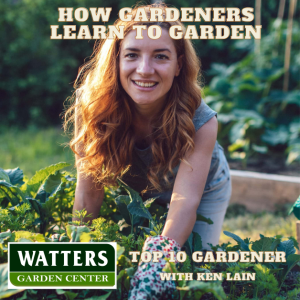
There are many different ways to learn gardening. Some people learn from their parents or grandparents, who taught them how to garden when they were young. Others learn from books, magazines, or online resources. And still, others learn by taking classes or workshops.
No matter how you learn about gardening, the most important thing is to get started. The best way to learn is by doing. So get out there and start gardening!
In this episode, we'll discuss some different ways people learn to garden. We'll also discuss some challenges new gardeners face and how to overcome them.
If you're interested in learning more about gardening, tune in to this episode of the Top 10 Gardener Podcast. If you have any questions, please feel free to comment below.
Here are some of the ways that gardeners learn to garden:
- Family and friends: Many people learn about gardening from their parents, grandparents, or other family members. This is a great way to learn the gardening basics and get some hands-on experience.
- Books and magazines: There are many books and magazines available that can teach you about gardening. These resources can provide information on various topics, such as plant selection, soil preparation, and pest control.
- Online resources: Many websites and blogs offer information on gardening. These resources can be a great way to learn about new gardening techniques and to get advice from other gardeners.
- Classes and workshops: There are many classes and workshops available that can teach you about gardening. These can be a great way to learn from experienced gardeners and to get hands-on experience.
- Trial and error: Sometimes, the best way to learn about gardening is by trial and error. Don't be afraid to experiment and try new things. You'll learn a lot from your mistakes and eventually find what works best for you.
No matter how you learn about gardening, the most important thing is to get started. The best way to learn is by doing. So get out there and garden!
Friday Sep 15, 2023
Friday Sep 15, 2023
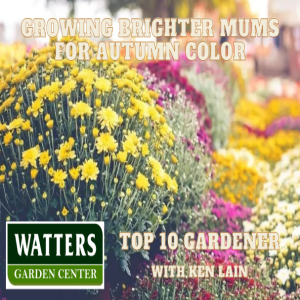
Welcome to the Top 10 Gardener Podcast. Today, we're discussing how to grow brighter mums for autumn color. I'm your host, Ken Lain, and I'll talk to you about the best practices for growing these beautiful flowers.
Mums are popular for fall gardens because they come in various colors and sizes. They're also relatively easy to grow, but there are a few things you can do to ensure that your mums are as bright and vibrant as possible.
**Here are a few tips for growing brighter mums:
- Choose the right location: Mums need full sun to thrive. They won't bloom if you plant them in a shady spot.
- Plant them in well-drained soil: Mums don't like wet feet, so ensure your garden's soil drains well.
- Fertilize regularly: Mums need regular fertilizer with 'Flower Power' to produce their best blooms. Feed them a balanced fertilizer every 2-3 weeks.
- Water them deeply: Mums need deep watering, especially during hot, dry weather.
- Deadhead spent blooms: Deadheading will encourage your mums to produce more flowers.
- Protect them from frost: Mums are hardy in most climates but can be damaged by frost. If you live in an area with cold winters, bring your mums indoors before the first frost.
By following these tips, you can grow brighter mums that add beauty to your fall garden.
That's all for today's episode of the Garden Podcast. Thanks for listening!
To learn more about growing mums, check out our blog post. If you have any questions, please feel free to comment below.
Thursday Sep 14, 2023
Thursday Sep 14, 2023
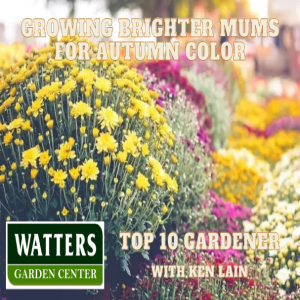
- Chrysanthemums are a classic fall flower, and for good reason. They come in a wide variety of colors, from bright yellows and oranges to deep purples and maroons. They are also relatively easy to care for, making them a good choice for beginner gardeners.
- Mums are another popular fall flower. They are similar to chrysanthemums, but they tend to be smaller and have a more delicate appearance. Mums come in a variety of colors, including pink, white, and lavender.
- Sedum is a succulent plant that blooms in the fall. It produces clusters of small, star-shaped flowers that can be white, pink, or purple. Sedum is very drought-tolerant and easy to care for, making it a good choice for xeriscaping.
- Asters are a type of daisy that blooms in the fall. They come in a variety of colors, including blue, purple, and white. Asters are a good choice for butterfly gardens, as they attract many different species of butterflies.
- Cosmos are a carefree annual flower that blooms in the fall. They come in a variety of colors, including pink, white, and yellow. Cosmos are a good choice for pollinator gardens, as they attract bees, butterflies, and hummingbirds.
These are just a few of the many new flowers that are introduced each fall and autumn. When choosing flowers for your garden, it is important to consider the climate in your area, as well as the amount of sunlight and water your garden receives. You should also choose flowers that will bloom at the same time of year, so that you can enjoy their beauty for as long as possible.

Wednesday Sep 13, 2023
Wednesday Sep 13, 2023
Things homeowners love about gardening:
- The satisfaction of growing their own food: There's nothing quite like the feeling of picking a ripe tomato or fresh herb from your garden.
- The beauty of flowers and plants: Gardens can be a beautiful addition to any home and can also help improve the air quality.
- The sense of accomplishment: Gardening can be a challenging but rewarding hobby, and it's a great way to get some exercise.
- The peace and quiet: Gardening can be a great way to relax and de-stress.
- The connection to nature: Gardening can help us to connect with nature and appreciate the beauty of the world around us.
Things homeowners hate about gardening:
- The time commitment: Gardening can be a time-consuming hobby, and it's essential to be prepared to commit the time and effort necessary to keep your garden healthy and thriving.
- The expense: Gardening can be an expensive hobby, especially if you purchase tools, seeds, and plants.
- The pests and diseases: Gardens can be susceptible to pests and conditions, which can be a major headache for homeowners.
- The weather: Gardening is at the mercy of the weather, and there's nothing more frustrating than having your plans ruined by a sudden hailstorm or unseasonable heat wave.
- Physical labor: Gardening can be physically demanding, especially if you have a large garden.
Overall, gardening is a rewarding hobby that can benefit homeowners.
Here are some tips for making gardening a more enjoyable experience:
- Start small: If you're new to gardening, start with a small garden and gradually increase the size as you gain experience.
- Choose the right plants: Choose plants suited to your climate and growing conditions.
- Plan your garden carefully: Plan your garden layout before you start planting. This will help you to avoid making mistakes.
- Take care of your plants: Water your plants regularly and fertilize them as needed.
- Be patient: Gardening takes time and effort. Expect to have a beautiful garden after a while.
With a bit of planning and effort, you can enjoy the many benefits of gardening without getting overwhelmed by the challenges.
Tuesday Sep 12, 2023
Tuesday Sep 12, 2023
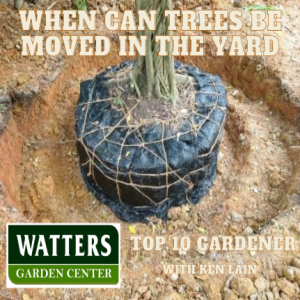
The best time to move trees in the yard is during their dormant season when they are not actively growing. This is typically in the winter or early spring (before leaves have emerged).
For deciduous trees, the best time to move is late winter, January through March. This is because the roots are less active, and the tree is not actively losing water through its leaves. The soil is also cooler, which helps to reduce transplant shock.
The best time to move for evergreen trees is in the early spring. This is because the roots are starting to become active, but the tree still needs to actively grow. If you are moving a huge tree, it may be necessary to move it in the winter, when the tree is dormant and the soil is frozen.
Here are some additional tips for transplanting trees:
- Choose a sunny spot with well-drained soil.
- Dig a hole that is at least twice as wide as the tree's root ball.
- Backfill the hole with soil mixed with Watters Premium Mulch.
- Water the tree well after transplanting.
- Mulch around the tree to help retain moisture and suppress weeds.
With proper care, a tree that is transplanted at the right time of year will have a good chance of survival and thrive in its new location.
Monday Sep 11, 2023
Monday Sep 11, 2023
Welcome to another episode of the Top 10 Gardener Podcast. Today, we're talking about bindweed, a notorious and difficult-to-control weed. I'm your host, Ken Lain, and I'll talk to you about identifying and controlling bindweed in your garden.
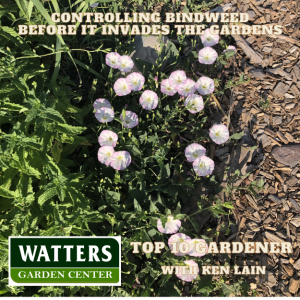
Bindweed is a vine found in many parts of the world. It's characterized by its heart-shaped leaves and white or pink flowers. Bindweed can be a major problem in gardens, as it can quickly take over and smother other plants.
**Here are some tips on how to identify bindweed:
- The leaves are heart-shaped and have smooth edges.
- The flowers are white or pink and have five petals.
- The stems are thin and wiry and can climb over other plants.
- The roots are long and can spread underground.
**If you think you have bindweed in your garden, it's important to take action to control it. Here are a few methods you can use:
- Hand pulling: This is the most effective way to control bindweed if you have a small infestation. Be sure to pull up the entire root, as any pieces left behind will regrow.
- Digging: This can be effective for larger infestations, but it's important to be careful not to break the roots, as this will only make the problem worse.
- Using a hoe: This can be used to cut the bindweed stems at the soil surface. This will weaken the plant, but it won't kill it.
- Using a weedkiller: There are a number of commercial weedkillers that can be used to control bindweed. Be sure to read the label carefully and follow the directions.
No matter which method you choose, it's important to be persistent. Bindweed is a tough weed, and it may take several treatments to get rid of it completely.
Sunday Sep 10, 2023
Sunday Sep 10, 2023
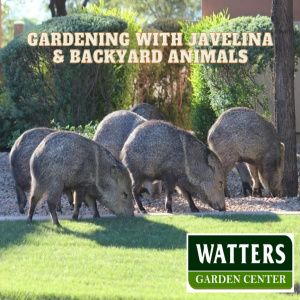
Do you live in an area with javelina or other backyard animals that love to eat your plants? If so, this podcast is for you!
In each episode, we'll talk about different ways to deter these animals from your garden, including:
-
Using physical barriers, such as fences or electric wires
-
Planting animal-resistant plants
-
Using scent deterrents
-
Managing your yard to make it less attractive to animals
We'll also share tips on how to coexist peacefully with these animals, and how to protect yourself and your pets from them.
So whether you're a seasoned gardener or just starting out, this podcast is a must-listen!
Listen to the episode today!
Saturday Sep 09, 2023
Saturday Sep 09, 2023
We'll cover the following topics:
-
Identifying the signs of a stressed plant
-
Diagnosing the cause of the stress
-
Treating the stress
-
Preventing future stress
We'll also share some tips for keeping your plants healthy in the first place.
So whether you're a seasoned plant parent or a beginner, this episode is for you!
Friday Sep 08, 2023
Friday Sep 08, 2023
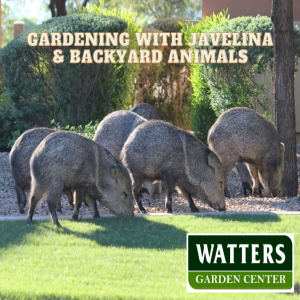
Do you live in an area with javelina or other backyard animals that love to eat your plants? If so, this podcast is for you!
In each episode, we'll talk about different ways to deter these animals from your garden, including:
-
Using physical barriers, such as fences or electric wires
-
Planting animal-resistant plants
-
Using scent deterrents
-
Managing your yard to make it less attractive to animals
We'll also share tips on how to coexist peacefully with these animals, and how to protect yourself and your pets from them.
So whether you're a seasoned gardener or just starting out, this podcast is a must-listen!
Thursday Sep 07, 2023
Thursday Sep 07, 2023
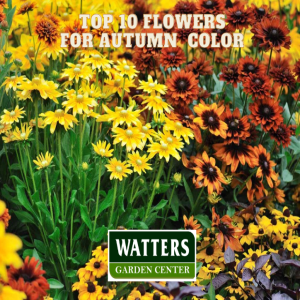
"Are you looking to add autumn color and blooms to your garden? In this episode of the [podcast name], we'll discuss the best fall plants for long-lasting flowers. We'll cover a variety of plants, including mums, roses, dahlias, pansies, and more. We'll also talk about choosing the right plants for your climate and how to care for them.
So whether you're a seasoned gardener or just getting started, this episode is for you. Tune in to learn more about the best fall plants for autumn-long flowers, color, and blooms."
Wednesday Sep 06, 2023
Wednesday Sep 06, 2023
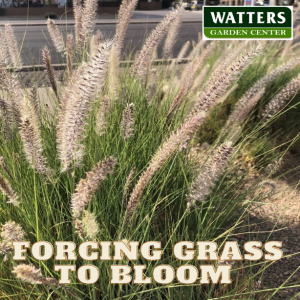
One of the things that people love about ornamental grasses is their flowers. Many ornamental grasses produce plumes, which are airy, feathery flower clusters. Plumes can be white, pink, purple, or yellow. They typically bloom in late summer or fall.
If you want to encourage your ornamental grasses to bloom, you can do a few things. First, make sure they're getting enough sun. Most ornamental grasses need full sun to partial shade. Second, water them regularly, especially during hot, dry weather. Third, fertilize them in the spring with a balanced fertilizer.
If you're looking for an easy way to add beauty and interest to your garden, ornamental grasses are a great option. And if you follow these tips, you can encourage them to bloom for months.
In this episode, we'll discuss some of the most popular ornamental grasses, how to care for them, and how to force them to bloom. We'll also share some tips for using ornamental grasses in your garden design.
So whether you're a gardening beginner or a seasoned pro, this episode is for you. Tune in now to learn more about ornamental grasses!"
You can also add a call to action at the end of your script, such as:
"If you're interested in learning more about ornamental grasses, check out our website or blog. And don't forget to subscribe to our podcast so you don't miss any future episodes."
Tuesday Sep 05, 2023
Tuesday Sep 05, 2023
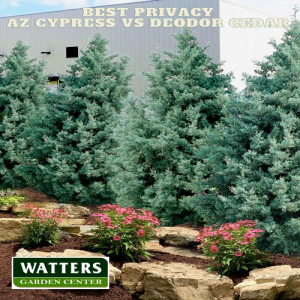
The Arizona cypress and the Deodar cedar are good choices for privacy screens but have different advantages and disadvantages.
The Arizona cypress is a native plant to the southwestern United States, so it is well-adapted to the hot, dry climate. It is also a fast-growing tree, reaching a mature height of 20-30 feet in just a few years. The Arizona cypress has a dense, conical shape that provides good privacy, and its blue-gray foliage is attractive year-round.
The Deodar cedar is a larger tree, reaching a mature height of 50-70 feet. It is also a fast-growing tree but not as drought-tolerant as the Arizona cypress. The Deodar cedar has a more spreading growth habit than the Arizona cypress, and its silvery-green foliage is also attractive year-round.
Here is a table comparing the two trees:
|
Feature |
Arizona Cypress |
Deodar Cedar |
|---|---|---|
|
Native range |
Southwestern United States |
Himalayas |
|
Mature height |
20-30 feet |
50-70 feet |
|
Growth rate |
Fast |
Fast |
|
Drought tolerance |
Good |
Fair |
|
Growth habit |
Conical |
Spreading |
|
Foliage color |
Blue-gray |
Silvery-green |
Ultimately, the best tree for you will depend on your specific needs and preferences. If you are looking for a fast-growing, drought-tolerant tree native to the southwestern United States, the Arizona cypress is a good choice. If you are looking for a larger tree with a more spreading growth habit, then the Deodar cedar is a good choice.