

Stop Guessing. Start Growing. Welcome to the Ultimate Garden Blueprint.
Body Copy: Most big-box store advice will get your plants killed. The intense sun, the heavy wind, and the local wildlife require a completely different set of rules.
I'm Ken Lain, "Top 10 Gardener," and every week, I share the exact "un-killable" strategies we use to cheat the heat and build vibrant, blooming sanctuaries in USDA Zones 5–8.
Don't waste another season on generic advice. Hit that '+ Follow' button right now to get your weekly dose of mountain gardening success. Let's put some roots in the ground together.
Whether you are trying to force your mountain roses into non-stop blooms, figure out why your evergreens are dropping needles, or reclaim your patio from summer pests, we give you the hyper-local science to make it happen.
When you tune in, you'll discover:
- The Overlooked Truths: Fast diagnostics and 10-second pruning tricks that flatlander gardeners know nothing about.
- Seasonal Urgency: Exactly what to plant right now to guarantee roots get established in our Prescott soil.
- Insider Access: First dibs on our custom plant arrivals and premium garden kits before they sell out on our online store.
Don't waste another season on generic advice. Hit that '+ Follow' button right now to get your weekly dose of mountain gardening success. Let's put some roots in the ground together.
Episodes

Nov 25, 2023
Nov 25, 2023
5 min
Christmas cacti, or Schlumbergeras, are captivating plants that grace our homes with vibrant blooms during the winter season. These epiphytes, hailing from the rainforests of South America, add a touch of festive cheer with their delicate, arching stems adorned with colorful flowers. To ensure your Christmas cactus flourishes year after year, follow these simple yet effective care guidelines:
- Lighting: The Key to Radiant Blooms
- Watering: Balancing Moisture and Moderation
- Humidity: Mimicking Rainforest Conditions
- Soil: Providing a Foundation for Growth
- Fertilization: Nourishing for Vibrant Blooms
- Pruning: Shaping for Beauty
- Enhancing Bloom Production
#wattersgardencenter, #wattersgardencenteraz, #mountaingardenerpodcast, #top10gardener,
#gardeningtips, #holidaybloom, #christmascactuscare, #succulentlove

Nov 24, 2023
Nov 24, 2023
11 min
As the holiday season approaches, we eagerly anticipate the joy of decorating our homes with festive trees. But what if we could extend the life of these trees beyond the holiday season, transforming them into enduring symbols of sustainability and environmental consciousness? By carefully planting your Christmas tree after the holidays, you can create a living legacy that will beautify your landscape and provide a haven for wildlife for years to come.
Choosing the Right Tree
Everyone wants the Evergreen Tree, which looks like a “Christmas Tree, " the Colorado Spruce. However, other options do well in our landscape, such as Alberta Spruce, Baby Blue Spruce, Austrian Pine, or Vanderwolf Pine.
Preparing for Planting
Once you've selected your tree, start preparing it for its transition outdoors. After removing all decorations, gradually acclimatize the tree to outdoor temperatures by placing it in a sheltered location, such as a garage or porch, for a few days before planting.
#wattersgardencenter, #wattersgardencenteraz, #mountaingardenerpodcast, #top10gardener,
#gardeningtips, #holidaytreetransplant, #sustainability, #environmentalconsciousness,
#Christmastrees, #livingchristmastrees

Nov 23, 2023
Nov 23, 2023
11 min
As your houseplants grow and flourish, their root systems expand, often outgrowing their current pots. This is when it's time to give your leafy companions a new home – a process known as repotting. Repotting provides plants the space they need to continue growing and refreshes the soil, replenishing essential nutrients that fuel their growth.
Determining Repotting Needs
Here are a few telltale signs that indicate your plant is ready for a new pot:
- Roots Crowding: If you notice roots growing out of the drainage holes or circling the root ball, it's a clear sign that your plant needs more space.
- Slow Growth: If your plant's growth has slowed or stalled despite regular watering and fertilization, it might be rootbound.
- Dry Soil: If the potting mix dries out quickly, even with regular watering, it indicates that the roots have absorbed all the available moisture and nutrients, leaving the plant yearning for more.
Choosing the Right Pot
When selecting a new pot for your plant, choose one slightly larger than the current one. A pot that is too large can lead to overwatering and root rot.
#wattersgardencenter, #wattersgardencenteraz, #mountaingardenerpodcast, #top10gardener,
#gardeningtips, #repottinghouseplants, #happyhouseplants, #plantcare

Nov 22, 2023
Nov 22, 2023
7 min
Black leaves on vegetable plants can be caused by a variety of factors, including:
- Frost damage: When temperatures drop below freezing, the cell walls of plant leaves can rupture, causing them to turn black.
- Fungal diseases: fungal diseases can cause black spots or lesions on vegetable leaves. These diseases are most common in warm, humid conditions.
- Bacterial diseases: Bacterial diseases can also cause black spots or lesions on vegetable leaves. Bacterial diseases are often spread by insects or through contaminated water.
- Insect pests: Some insect pests, such as aphids and beetles, can cause black spots or lesions on vegetable leaves. These pests feed on the leaves, damaging the plant tissue and causing it to turn black.
- Nutrient deficiencies: Nutrient deficiencies can also cause black spots or lesions on vegetable leaves. For example, a magnesium deficiency can cause black spots on tomato leaves.
If you see black leaves on your vegetable plants, it is essential to identify the cause of the problem so that you can take appropriate action. If the problem is caused by frost damage, there is not much you can do to save the affected leaves. However, you can protect your plants from future frost damage by covering them with frost cloth or by bringing them indoors. If a fungal or bacterial disease causes the problem, you may need to use a fungicide or bactericide to treat the plants. If insect pests cause the problem, you may need to use an insecticide to control the pests. If the problem is caused by a nutrient deficiency, you can apply the appropriate fertilizer to the plants.
#wattersgardencenter, #wattersgardencenteraz, #mountaingardenerpodcast, #top10gardener,
#gardeningtips, #vegetableplants, #vegetables
Nov 21, 2023
Nov 21, 2023
11 min
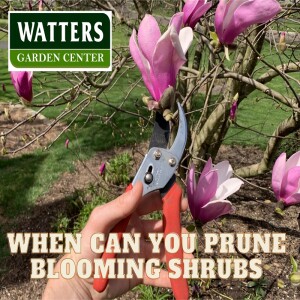
Pruning flowering shrubs is vital for their health and blooming. The timing largely depends on their blooming cycle.
- Spring-flowering shrubs like lilacs should be pruned immediately after flowering in late spring or early summer. This is because they bloom on old wood, and pruning them soon after flowering allows them to set buds for the following year.
- Late Winter and Early Spring are ideal for pruning many shrubs, as it stimulates vigorous growth and prevents pruning off the following year's blooms. However, avoid late summer and fall pruning as it can stimulate new growth that might not withstand winter.
Each species may have specific needs. Stop by Watters Garden Center or consult www.WattersGardenCenter.com for more information.
#wattersgardencenter, #watterscardencenteraz, #mountaingardenerpodcast, #Top10Gardener,
#gardeningtips, #pruning, #shrubs
Nov 20, 2023
Nov 20, 2023
10 min
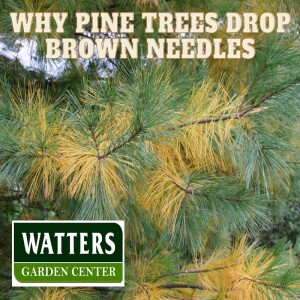
Pine trees turning brown and losing needles can be attributed to various factors. Common causes include natural needle aging, with older needles naturally turning brown and dropping off while new ones grow to replace them. Environmental stressors like drought and disease can also contribute to needle browning. It's important to note that some needle shedding is a normal part of a pine tree's life cycle. Regular tree inspection can help differentiate between normal shedding and issues that require attention. Proper care, including watering, mulching, and pest control, can help prevent excessive needle loss and maintain tree health.
#wattersgardencenter, #watterscardencenteraz, #mountaingardenerpodcast, #Top10Gardener,
#gardeningtips, #PineTreeCare, #EvergreenCare

Nov 19, 2023
Nov 19, 2023
55 min
The Ultimate Guide to High Altitude Gardening in Arizona's Mountainous Terrain
In this latest episode, Ken and Lisa delve into an extensive array of gardening topics tailored to Arizona's elevated landscapes. Whether you're a novice in gardening or a seasoned veteran, The Mountain Gardener Podcast caters to all skill levels.
Included in this week’s episode:
- What do Yellow Leaves Mean in Autumn?
- Best Evergreens for Poor Soils
- When to Prine these Top10 Shrubs
- Trees that Look Good all Winter
- Deer and Rabbit Proof Plants and Repellants
- How to Irrigate Plants through Winter
As always there will be Q&A with Ken and Lisa as they answer listener questions about gardening in Arizona's high country.
Ken and Lisa's enthusiasm for gardening is contagious, and their wealth of knowledge is an indispensable resource.
Make sure not to pass up this opportunity to enrich your gardening skills by subscribing to The Mountain Gardener Podcast today, available on all major podcast platforms!
#wattersgardencenter, #wattersgardencenteraz, #mountaingardenerpodcast, #top10gardener,
#gardeningtips
Nov 18, 2023
Nov 18, 2023
6 min
Even though your plants may be dormant during the winter, they still need water to survive. Here are a few tips on how to irrigate your plants through the winter:
- Water deeply, but less often. Dormant plants don't need as much water as they do during the growing season, but it's important to water them deeply when you do. This will help to prevent the roots from drying out.
- Water in the morning. This will give the plants time to absorb the water before it freezes at night.
- Use a drip irrigation system. This is the most efficient way to water your plants in the winter, as it delivers water directly to the roots.
- Mulch around your plants. This will help to keep the soil moist and insulate the roots from the cold.
Here are some additional tips:
- Be aware of your local weather conditions. If you live in a cold climate with little snow, you may need to water your plants more often.
- Check the soil before you water. If the soil is still moist, there's no need to water.
- Water newly planted trees and shrubs more often. Their roots are still developing and need more water to survive the winter.
Following these tips will help to ensure that your plants get the water they need to survive the winter.
#wattersgardencenter, #wattersgardencenteraz, #mountaingardenerpodcast, #top10gardener,
#gardeningtips, #irrigation,

Nov 17, 2023
Nov 17, 2023
11 min
Some plants are naturally resistant to deer and rabbits.
Here are a few examples:
- Perennials: lavender, rosemary, sage, thyme, yarrow, coneflower, black-eyed Susan, and ornamental grasses
- Bulbs: daffodils, tulips, alliums, and hyacinths
- Shrubs: boxwood, holly, andromeda, and rhododendron
- Trees: yew, juniper, and fir
Deer & Rabbit Repellents
There are also a number of deer and rabbit repellents available. Some popular options available at the Garden Center include:
- Watters Animal Stopper is available in both spray and granular form and is Safe, Effective & Weatherproof. It has a Pleasant Cinnamon, Mint & Rosemary Smell animals hate! Safe for flowers and shrubs, but should not be used on Vegetables
- MoleMax Gopher Repellent. Also works on moles, voles, rabbits and ground squirrels. Lasts up to 3 months.
Tips for Using Deer & Rabbit Repellents
- Apply repellents according to the directions on the label.
- Reapply repellents regularly, especially after rain or snow.
- Rotate repellents every few weeks to prevent deer and rabbits from becoming accustomed to them.
Conclusion
By following these tips, you can help to protect your plants from deer and rabbits.
#wattersgardencenter, #wattersgardencenteraz, #mountaingardenerpodcast, #top10gardener,
#gardeningtips, #gardenpests, #deer, #rabbits

Nov 16, 2023
Nov 16, 2023
7 min
Evergreen trees can add year-round beauty and interest to your landscape, even in the winter when other trees have lost their leaves. Here are a few of the best evergreen trees for winter interest:
- Colorado Blue Spruce (Picea pungens 'Glauca'): This iconic tree is known for its silvery-blue needles and pyramidal shape. It is a popular choice for windbreaks and privacy screens, and it is also tolerant of cold weather and poor soil.
- Austrian Pine (Pinus nigra): This pine tree has dark green needles and a dense, pyramidal shape. It is also very hardy and can tolerate cold winters and dry summers.
- Fir (Abies spp.): Fir trees have soft, flat needles and a conical shape. They are known for their pleasant fragrance and their ability to provide shelter for wildlife.
- Arborvitae (Thuja spp.): Arborvitae trees have scale-like leaves and a dense, columnar shape. They are very versatile and can be used as hedges, windbreaks, or privacy screens.
- Juniper (Juniperus spp.): Juniper trees have scale-like leaves and a variety of shapes, from shrubs to trees. They are very tolerant of drought and poor soil, and they are also good for wildlife.
When choosing evergreen trees for your landscape, be sure to consider the size and shape of the tree, as well as its cold hardiness and soil requirements. With a little planning, you can enjoy beautiful evergreen trees in your landscape all year long.
#wattersgardencenter, #wattersgardencenteraz, #mountaingardenerpodcast, #top10gardener,
#gardeningtips, #trees, #evergreens, #wintergardening
Nov 14, 2023
Nov 14, 2023
7 min
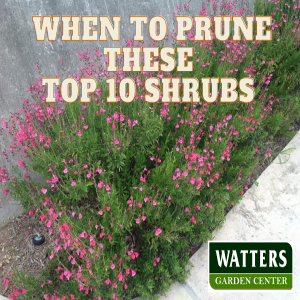
- Lilac
Lilacs bloom on old wood, so prune them immediately after flowering to avoid removing next year's buds.
- Forsythia
Forsythia also blooms on old wood, so prune it immediately after flowering.
- Quince
Quince blooms on old wood, so prune it immediately after flowering.
- Rhododendron
Rhododendrons bloom on old wood, so prune them immediately after flowering.
- Azalea
Azaleas bloom on old wood, so prune them immediately after flowering.
- Maple
Maple trees can be pruned any time of year, but it's best to do it in late winter or early spring before new growth emerges.
- Rose
Roses can be pruned any time of year, but it's best to do it in late winter or early spring before new growth emerges.
- Hydrangea
Hydrangeas bloom on either old wood or new wood, depending on the variety. If you have a variety that blooms on old wood, prune it immediately after flowering. If you have a variety that blooms on new wood, prune it in late winter or early spring before new growth emerges.
- Butterfly Bush
Butterfly bushes bloom on new wood, so prune them in late winter or early spring before new growth emerges.
- Spirea
Spirea’s bloom on either old wood or new wood, depending on the variety. If you have a variety that blooms on old wood, prune it immediately after flowering. If you have a variety that blooms on new wood, prune it in late winter or early spring before new growth emerges.
General Pruning Tips
- Always use sharp pruning shears to make clean cuts.
- Remove dead, diseased, or damaged branches.
- Prune to maintain the desired shape and size of your shrub.
- Don't over-prune, as this can damage your shrub.
Conclusion
Pruning is an important part of shrub care. By following these tips, you can help your shrubs stay healthy and beautiful for many years to come.
#wattersgardencenter, #wattersgardencenteraz, #mountaingardenerpodcast, #top10gardener,
#gardeningtips, #pruning, #shrubs
Nov 14, 2023
Nov 14, 2023
11 min
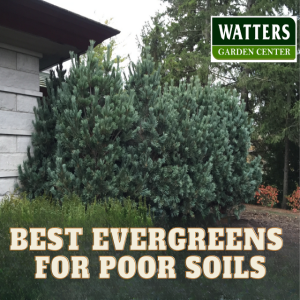
Evergreens can add year-round beauty and interest to your landscape, but not all evergreens are created equal. If you have poor soil, you'll need to choose evergreens that are tolerant of these conditions.
Here are a few of the best evergreens for poor soils:
- Arborvitae (Thuja occidentalis) is a versatile evergreen that can be grown as a tree or shrub. It is tolerant of a wide range of soil conditions, including poor soil.
- Junipers (Juniperus spp.) are another good option for poor soils. They come in a variety of sizes and shapes, so you can find one that is perfect for your landscape.
- Pines (Pinus spp.) are also tolerant of poor soils. They are a good choice for windbreaks and privacy screens.
- Spruces (Picea spp.) are another good option for poor soils. They are known for their dense foliage and pyramidal shape.
When planting evergreens in poor soil, it is important to amend the soil with compost or other organic matter. This will help to improve drainage and fertility. You should also water your evergreens regularly, especially during the first year after planting.
Here are a few tips for choosing and caring for evergreens in poor soil:
- Choose evergreens that are native to your area. Native plants are more likely to be tolerant of the local soil conditions.
- Plant your evergreens in a well-drained location. Poorly drained soil can lead to root rot, which can kill your evergreens.
- Amend the soil with compost or other organic matter before planting. This will help to improve drainage and fertility.
- Water your evergreens regularly, especially during the first year after planting.
With a little care and attention, you can enjoy beautiful evergreens in your landscape, even if you have poor soil.
#wattersgardencenter, #watterscardencenteraz, #mountaingardenerpodcast, #Top10Gardener,
#gardeningtips, #evergreens
Nov 13, 2023
Nov 13, 2023
10 min
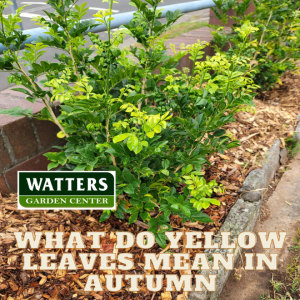
Yellow leaves in autumn are a sign of the changing seasons and the onset of cooler weather. As the days get shorter and the nights get colder, trees begin to prepare for winter by breaking down the chlorophyll in their leaves. Chlorophyll is the green pigment that allows trees to absorb sunlight and photosynthesize. Without chlorophyll, leaves turn yellow and eventually fall off the tree.
There are a few other reasons why leaves might turn yellow in autumn. One reason is iron deficiency. Iron is essential for chlorophyll production, so if a tree is not getting enough iron, its leaves will turn yellow. Another reason for yellow leaves is stress. Trees can be stressed by drought, heat, pests, or diseases. When trees are stressed, they may produce less chlorophyll, which can cause their leaves to turn yellow.
For many trees and plants, yellow leaves in autumn are a normal part of the changing seasons. However, if you are concerned about the health of your trees, bring a sample of the leaves by the Garden Center and our plant experts can tell you if you need to be concerned and provide helpful remedies if you need to take action.
#wattersgardencenter, #watterscardencenteraz, #mountaingardenerpodcast, #Top10Gardener,
#gardeningtips, #fallplants, #fall, #autumn, #fallfoliage

Nov 12, 2023
Nov 12, 2023
57 min
The Mountain Gardener Podcast: Your Go-To Resource for Gardening in Arizona's High Country
In this episode, Ken and Lisa cover a wide range of topics related to gardening in Arizona's high altitude, included in this week’s episode:
- Perennials to Cut Back in Fall
- Why Evergreens Turn Yellow
- Why Plants Like Organic Food More than Synthetics
- Plants that Love Frosty Gardens
- Growing Winter Vegetables and Herbs
- As always there will be Q&A with Ken and Lisa: as they answer listener questions about gardening in Arizona's high country.
Whether you're a beginner gardener or a seasoned pro, The Mountain Gardener Podcast has something for everyone. Ken and Lisa's passion for gardening is infectious, and their expertise is invaluable.
Subscribe to The Mountain Gardener Podcast today and start gardening like a pro!
#wattersgardencenter, #wattersgardencenteraz, #mountaingardenerpodcast, #top10gardener,

Nov 11, 2023
Nov 11, 2023
5 min
Northern Arizona has a mild four-season climate, with cold nights and warm days even during the winter. This makes it a great time to plant and care for your garden.
Here are a few tips:
- Clean up dormant and frost-damaged plants. Remove any dead or diseased foliage from your plants. This will help to prevent pests and diseases from overwintering in your garden. You can also compost this material to add nutrients to your soil.
- Plant winter flowers. Many flowers, such as snapdragons, violas, and dusty miller, can thrive in the cool fall and winter weather. These flowers will add a splash of color to your garden and provide food for pollinators.
- Mulch your garden. Mulching your garden with organic matter, such as compost or bark chips, will help to retain moisture, insulate the roots of your plants, and suppress weeds.
Here are some additional tips for cleaning up dormant and frost-damaged plants:
- Wait until after the first frost to cut back your perennials. This will give the plants a chance to store energy for the winter. Cut back perennials to about 6 inches above the ground.
- Prune your trees and shrubs. Pruning will help to improve the shape and health of your plants.
By following these tips, you can keep your garden looking its best all through the fall and winter.
Visit Watters Garden Center today to learn more about fall gardening and to purchase winter flowers, mulch, and other gardening supplies!
#wattersgardencenter, #wattersgardencenteraz, #mountaingardenerpodcast, #top10gardener,
#gardentips