

Stop Guessing. Start Growing. Welcome to the Ultimate Garden Blueprint.
Body Copy: Most big-box store advice will get your plants killed. The intense sun, the heavy wind, and the local wildlife require a completely different set of rules.
I'm Ken Lain, "Top 10 Gardener," and every week, I share the exact "un-killable" strategies we use to cheat the heat and build vibrant, blooming sanctuaries in USDA Zones 5–8.
Don't waste another season on generic advice. Hit that '+ Follow' button right now to get your weekly dose of mountain gardening success. Let's put some roots in the ground together.
Whether you are trying to force your mountain roses into non-stop blooms, figure out why your evergreens are dropping needles, or reclaim your patio from summer pests, we give you the hyper-local science to make it happen.
When you tune in, you'll discover:
- The Overlooked Truths: Fast diagnostics and 10-second pruning tricks that flatlander gardeners know nothing about.
- Seasonal Urgency: Exactly what to plant right now to guarantee roots get established in our Prescott soil.
- Insider Access: First dibs on our custom plant arrivals and premium garden kits before they sell out on our online store.
Don't waste another season on generic advice. Hit that '+ Follow' button right now to get your weekly dose of mountain gardening success. Let's put some roots in the ground together.
Episodes

Oct 11, 2023
Oct 11, 2023
7 min
Tarantulas are large, hairy spiders that are native to many parts of the world, including Arizona. They are often feared and misunderstood, but tarantulas can actually be beneficial to your garden.
Tarantulas are natural predators of many common garden pests, such as crickets, cockroaches, and beetles. They help to keep these pests under control, which can improve the health of your plants.
Tarantulas also help to aerate the soil as they burrow and search for food. This can improve drainage and root growth.
In addition, tarantulas are relatively low-maintenance creatures. They do not require a lot of food or water, and they are not known to damage plants.
Of course, there are also some potential downsides to having tarantulas in your garden. Tarantulas can be venomous, although their bites are rarely fatal to humans. Their venom is more potent than a bee sting, but it is usually not a serious medical concern.
Tarantulas can also be large and hairy, which can be frightening to some people. If you have small children or pets, you may want to reconsider having tarantulas in your garden.
Overall, tarantulas can be beneficial to your garden. They are natural predators of pests and they help to aerate the soil. However, it is important to be aware of the potential risks before deciding whether or not to have tarantulas in your garden.
Here are some tips for coexisting with tarantulas in your garden:
- Be respectful of tarantulas and avoid disturbing them.
- Wear gloves when handling tarantulas, even if they are dead.
- If you have small children or pets, supervise them closely when they are in the garden.
- If you are concerned about tarantulas in your garden, you can consult with a pest control professional.
#wattersgardencenter, #wattersgardencenteraz, #mountaingardenerpodcast, #Top10Gardener # tarantulas, #spiders
Oct 10, 2023
Oct 10, 2023
11 min
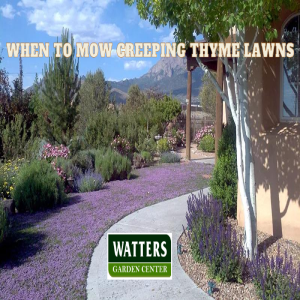
Creeping thyme lawns are a beautiful and low-maintenance alternative to traditional grass lawns. They are also very drought-tolerant, making them a great choice for water-scarce areas.
While creeping thyme lawns do not require regular mowing, it is a good idea to mow them once or twice a year to keep them looking their best and to encourage new growth. The best time to mow creeping thyme is in the spring, after the last frost, and again in the fall, after the flowers have faded.
To mow a creeping thyme lawn, use a sharp mower blade set to a high setting. Be careful not to mow the thyme too short, as this can damage the plants.
Here are some additional tips for mowing creeping thyme lawns:
- Mow on a dry day to avoid spreading fungal diseases.
- Mow in the direction of the thyme's growth.
- Avoid mowing when the thyme is in bloom.
- Water the thyme deeply after mowing to help it recover.
If you choose to mow your creeping thyme lawn more often than once or twice a year, be sure to set the mower blade to a very high setting and avoid mowing the thyme too short.
Here are some benefits of mowing creeping thyme lawns:
- It helps to remove dead leaves and stems, which can promote new growth.
- It helps to keep the thyme lawn looking neat and tidy.
- It can help to discourage weeds.
- It can help to encourage the thyme to spread.
Overall, mowing creeping thyme lawns is not necessary, but it can be beneficial to do so once or twice a year to keep them looking their best and to encourage new growth.

Oct 9, 2023
Oct 9, 2023
11 min
Fall is a beautiful time of year, with the leaves changing color and the air becoming crisp and cool. And what better way to enjoy the fall season than with a riotous display of flowers in your yard or garden?
Watters Garden Center has a wide variety of flowers that bloom in the fall, so you're sure to find the perfect ones to add color and excitement to your landscape. Here are our top 10 picks:
- Mums (Chrysanthemums) are quintessential fall flowers, and for good reason. They come in a wide variety of colors and bloom shapes, so you're sure to find the perfect ones to match your style.
- Asters are another popular fall flower. They produce clusters of small, daisy-like blooms in shades of purple, blue, and white.
- Pansies are a great choice for fall gardens because they can tolerate cooler temperatures. They come in a wide variety of colors, including bright yellow, orange, and purple.
- Violas are similar to pansies, but they tend to be smaller and more delicate. They're also very cold-hardy, making them a good choice for late fall blooms.
- Sedums are low-maintenance plants that thrive in almost any garden. They produce clusters of small, star-shaped flowers in shades of pink, red, and yellow.
- Gaillardia is a perennial with a long bloom period from late spring through autumn. The bright, daisy-like flowers attract butterflies and other pollinators.
- Marigolds are another long-blooming flower that is perfect for fall gardens. They come in a variety of colors, including bright yellow, orange, and red.
- Salvias are a diverse group of plants that includes many fall bloomers. Some popular varieties include Russian sage, Mexican sage, and pineapple sage.
- Snapdragons are a cool-season flower that can bloom from spring until frost. They come in a variety of colors, including bright yellow, orange, red, pink, and purple.
- Alyssum is a low-growing flower that produces clusters of small, sweet-smelling blooms in shades of white, pink, and purple.
Fall is a great time to plant flowers, so head to Watters Garden Center today and pick up a few of these top bloomers!
#wattersgardencenter, #wattersgardencenteraz, #top10gardener, #fallflowers

Oct 8, 2023
Oct 8, 2023
56 min
Fall is a great time to prepare your garden for the winter ahead. By following a few simple steps, you can ensure that your plants are healthy and strong next spring.
Oct 7, 2023
Oct 7, 2023
6 min
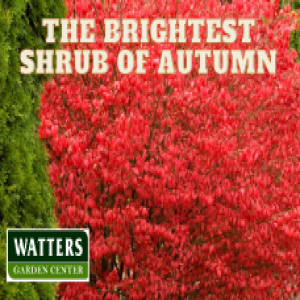
Autumn is a beautiful time of year, with its vibrant leaves and crisp air. And one of the best things about autumn is the bright shrubs that add a touch of color to the landscape.
In this video, we'll share our top picks for the brightest shrubs of autumn, as well as tips on how to care for them.
Here are a few of our favorites:
- Burning Bush: This shrub is known for its fiery red leaves in the fall.
- Japanese Maple: Japanese maples come in a variety of colors, including red, orange, and yellow.
- Virginia Creeper: This vine is a great way to add color to walls or fences.
- Red Twig Dogwood: This shrub has red stems that are especially vibrant in the winter.
- Winterberry: This shrub produces bright red berries in the fall and winter.
- Barberry: Barberry shrubs come in a variety of colors, including red, purple, and yellow.
- Sumac: Sumac shrubs produce clusters of red or orange berries in the fall.
- Golden Spirea: This shrub has yellow leaves that turn orange or red in the fall.
- Euonymus: This shrub is known for its winged stems and bright red autumn foliage.
Tips for caring for the brightest shrubs of autumn:
- Plant them in the right location. Most autumn shrubs prefer full sun to partial shade.
- Water them regularly. Even though the weather is cooler in the fall, your plants still need water. Be sure to water them deeply once a week, or more often if the weather is dry.
- Fertilize them in the spring. A balanced fertilizer will help your plants to produce more leaves and flowers.
- Mulch around them. Mulching helps to retain moisture in the soil and protect the roots from the cold.
- Prune them regularly. Pruning helps to control the size and shape of your shrubs, and it also removes any dead or diseased branches.
Visit Watters Garden Center for all your autumn shrub needs! We have a wide selection of autumn shrubs, as well as fertilizers, mulch, and other gardening supplies. Our staff is always happy to help you choose the right products for your garden and answer any questions you may have.
The brightest shrubs of autumn: tips from Watters Garden Center, the top 10 gardener podcast.
#autumn, #fall, #shrubs#, brightestshrubsofautumn, #burningbush

Oct 6, 2023
Oct 6, 2023
11 min
Fall is a great time to prepare your garden for the winter ahead. By following a few simple steps, you can ensure that your plants are healthy and strong next spring.
In this video, we'll share our top 10 tips for a healthy fall garden:
- Clean up your garden beds. Remove any dead or diseased plants and weeds. This will help to prevent pests and diseases from overwintering in your garden.
- Fertilize your plants. A balanced fertilizer will help your plants to store nutrients for the winter.
- Water your plants regularly. Even though the weather is cooler in the fall, your plants still need water. Be sure to water them deeply once a week, or more often if the weather is dry.
- Protect your plants from frost. If you live in a cold climate, you may need to protect your plants from frost. You can do this by covering them with a tarp or sheet on cold nights.
- Mulch your garden beds. Mulch will help to insulate your plants' roots and protect them from the cold.
- Plant spring bulbs. Spring bulbs are planted in the fall and will bloom in the spring. This is a great way to add color and interest to your garden early in the season.
- Divide your perennials. Perennials are plants that come back year after year. If they have become overgrown, you can divide them in the fall. This will help them to stay healthy and bloom more profusely next spring.
- Prune your shrubs and trees. Pruning will help to control the size and shape of your shrubs and trees, and it will also remove any dead or diseased branches.
- Clean your garden tools. Before you put your garden tools away for the winter, be sure to clean them thoroughly. This will help to prevent the spread of pests and diseases.
- Take a break! Gardening can be hard work, so be sure to take some time to relax and enjoy your garden in the fall.
Visit Watters Garden Center for all your fall gardening needs! We have a wide selection of plants, fertilizers, and other gardening supplies. Our staff is always happy to help you choose the right products for your garden and answer any questions you may have.
Fall gardening tips from Watters Garden Center: the top 10 gardener podcast!
#fallgardening, #autumngardening, #falltodolist, #healthygardens, #whattodoinfalllforgarden,
#wattersgardencenter, #top10gardenerpodcast,
Oct 5, 2023
Oct 5, 2023
11 min
Autumn is a beautiful time of year, with its vibrant leaves and crisp air. But as the days get shorter and the nights get colder, many flowers begin to fade.
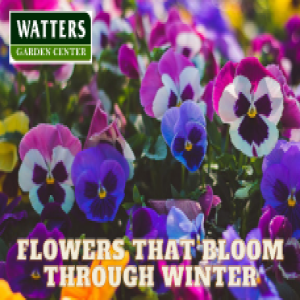
However, there are a number of autumn flowers that also bloom through winter, adding a touch of color and beauty to your garden even during the darkest months.
In this video, we'll share our top picks for autumn flowers that bloom through winter, as well as tips on how to care for them.
Here are a few of our favorites:
- Pansies and Violas: These cheerful flowers come in a variety of colors and bloom throughout the fall and winter.
- Snapdragons: Snapdragon flowers have a unique shape that resembles a dragon's mouth. They come in a variety of colors, including red, yellow, pink, and purple.
- Chrysanthemums: These hardy flowers bloom in late fall and early winter, and come in a variety of colors and shapes.
- Butterfly Bush: Butterfly bush is a flowering shrub that attracts butterflies and other pollinators. It comes in a variety of colors, including red, purple, pink, and white. Butterfly bush prefers full sun to partial shade and well-drained soil. Water it regularly, especially during the first few weeks after planting.
- Ornamental Grasses: Ornamental grasses add height and movement to your garden. They are also a good choice for attracting wildlife.
- Abelias: Abelia is a flowering shrub that produces clusters of bell-shaped flowers in a variety of colors, including pink, red, and white. Abelia prefers full sun to partial shade and well-drained soil. Water it regularly, especially during the first few weeks after planting.
Tips for caring for autumn flowers that bloom through winter:
- Plant them in the right location. Most autumn flowers that bloom through winter prefer full sun to partial shade.
- Water them regularly. Even though the weather is cooler in the fall and winter, your plants still need water. Be sure to water them deeply once a week, or more often if the weather is dry.
- Fertilize them regularly. A balanced fertilizer will help your plants to produce more flowers.
- Protect them from frost. If you live in a cold climate, you may need to protect your plants from frost. You can do this by covering them with a tarp or sheet on cold nights.
- Mulch around them. Mulching helps to retain moisture in the soil and protect the roots from the cold.
Visit Watters Garden Center for all of your autumn flower needs! We have a wide selection of autumn flowers that bloom through winter, as well as fertilizers, mulch, and other gardening supplies. Our staff is always happy to help you choose the right products for your garden and answer any questions you may have.
Autumn flowers that bloom through winter: tips from Watters Garden Center, the top 10 gardener podcast.
#plantingflowers, #fallgardening, #wintergardening, #flowercare

Oct 4, 2023
Oct 4, 2023
7 min
Blue spruce and silver conifers are beautiful trees and shrubs that can add a touch of elegance to any landscape. However, their blue color can fade over time, especially if they are not properly cared for.
In this video, we'll share our insider tips on how to keep your blue spruce and silver conifers looking their best.
Here are a few of our top tips:
- Plant them in the right location.
- Water them regularly.
- Fertilize them annually.
- Mulch around them.
- Protect them from pests and diseases.
Visit Watters Garden Center for all of your blue spruce and silver conifer needs! Our staff is always happy to help you choose the right products for your garden and answer any questions you may have.
#bluespruce, #silverconifers, #insidertips, #wattersgardencenter, #top10gardenerpodcast
Oct 3, 2023
Oct 3, 2023
11 min
Peonies are beautiful flowers that are known for their large blooms and long-lasting fragrance. However, they can be a bit tricky to care for, especially when it comes to cutting them back.
In this video, we'll share our tips on when to cut back peonies and how to do it properly.
When to cut back peonies:
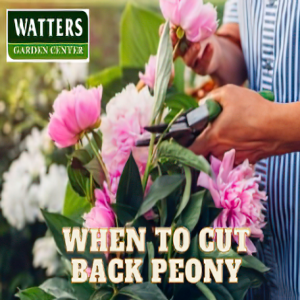
The best time to cut back peonies is in the fall, after the foliage has turned yellow and died back. This usually happens in October or November.
How to cut back peonies:
To cut back peonies, simply use a sharp pair of shears to cut the stems down to about 1 inch above the ground. Be careful not to damage the crown of the plant, which is the thick, fleshy area at the base of the stems.
Why cut back peonies:
Cutting back peonies helps to remove any diseased or damaged foliage, which can prevent pests and diseases from overwintering in your garden. It also helps to promote new growth the following spring.
Tips for cutting back peonies:
- Use a sharp pair of shears to make clean cuts.
- Cut the stems down to about 1 inch above the ground.
- Be careful not to damage the crown of the plant.
- Remove any dead or diseased foliage.
Visit Watters Garden Center for all of your peony needs! We have a wide selection of peony plants, fertilizers, and other gardening supplies. Our staff is always happy to help you choose the right products for your garden and answer any questions you may have.
Peony care tips from Watters Garden Center, the top 10 gardener podcast.
#peonies #cuttingbackpeonies #peonycare #wattersgardencenter #top10gardenerpodcast

Oct 2, 2023
Oct 2, 2023
56 min
Autumn is a great time to prepare your garden for the winter ahead. By following a few simple steps, you can ensure that your plants are healthy and strong next spring.
In this video, we'll share our top 10 garden tasks of autumn:
- Clean up your garden beds. Remove any dead or diseased plants, and weeds. This will help to prevent pests and diseases from overwintering in your garden.
- Fertilize your plants. A balanced fertilizer will help your plants to store nutrients for the winter.
- Water your plants regularly. Even though the weather is cooler in the fall, your plants still need water. Be sure to water them deeply once a week, or more often if the weather is dry.
- Protect your plants from frost. If you live in a cold climate, you may need to protect your plants from frost. You can do this by covering them with a tarp or sheet on cold nights.
- Mulch your garden beds. Mulch will help to insulate your plants' roots and protect them from the cold.
- Plant spring bulbs. Spring bulbs are planted in the fall and will bloom in the spring. This is a great way to add color and interest to your garden early in the season.
- Divide your perennials. Perennials are plants that come back year after year. If they have become overgrown, you can divide them in the fall. This will help them to stay healthy and bloom more profusely next spring.
- Prune your shrubs and trees. Pruning will help to control the size and shape of your shrubs and trees, and it will also remove any dead or diseased branches.
- Clean your garden tools. Before you put your garden tools away for the winter, be sure to clean them thoroughly. This will help to prevent the spread of pests and diseases.
- Take a break! Gardening can be hard work, so be sure to take some time to relax and enjoy your garden in the fall.
Visit Watters Garden Center for all of your fall gardening needs! We have a wide selection of plants, fertilizers, and other gardening supplies. Our staff is always happy to help you choose the right products for your garden and answer any questions you may have.
Fall gardening tips from Watters Garden Center, the top 10 gardener podcast.

Sep 30, 2023
Sep 30, 2023
6 min
Mosquitos and flies can ruin a garden party, but there are a few things you can do to keep them away. Here are a few tips from the Top10 Gardener Podcast:
- Choose the right location for your party. Avoid areas with standing water, as this is where mosquitoes breed. If you must have your party in an area with standing water, try to eliminate as much of it as possible.
- Use fans. #Mosquitos and flies are weak flyers, so fans can help to keep them away. Place fans around the perimeter of your party area and in any areas where people are congregating.
- Plant mosquito-repelling plants. Certain plants, such as citronella, lavender, and rosemary, emit aromas that repel mosquitoes and flies. Plant these plants around your party area to create a natural barrier against pests.
- Use mosquito repellent. There are a variety of mosquito repellents available, including sprays, lotions, and candles. Choose a repellent that is appropriate for the age and health of your guests.
- Encourage your guests to wear long sleeves and pants. This will help to protect them from mosquito bites.
Here are a few additional tips from Wattersgardencenter.com:
- Serve food and drinks in covered containers. This will help to prevent #flies from landing on the food and drink.
- Clean up spills immediately. Don't let food and drink sit out for too long, as this will attract flies.
- Use citronella candles or torches. These can help to repel mosquitoes and flies.
By following these tips, you can create a mosquito- and fly-free environment for your next garden party.
#wattersgardencenter, #wattersgardencenteraz, #Top10GardenerPodcast, #insects

Sep 29, 2023
Sep 29, 2023
11 min
Fall is a beautiful time of year, with the leaves changing color and the air becoming crisp and cool. And what better way to enjoy the fall season than with a riotous display of flowers in your yard or garden?
In this episode of the Top 10 Gardner Podcast, we'll be talking about the top 10 flowers for riotous autumn blooms and color. We'll discuss each flower in detail, including its blooming time, growing requirements, and best uses in the landscape.
We'll also share some tips on how to create a beautiful and colorful fall garden. So whether you're a beginner gardener or a seasoned pro, you're sure to learn something new from this episode.
Here's a sneak peek at some of the flowers we'll be discussing:
- Chrysanthemums
- Asters
- Pansies
- Violas
- Sedums
- Gaillardia
- Marigolds
- Salvias
- Russian Sage
- Snapdragons
- Alyssum
If you're looking to add some color and excitement to your fall garden, then you won't want to miss this episode of the Top 10 Gardener Podcast. Be sure to tune in to learn more about the top 10 flowers for riotous autumn blooms and color!
Subscribe to the Top 10 Gardner Podcast today and never miss an episode! You can find us on iTunes, Google, Spotify, Amazon Music, TuneIn, and iHeartRadio.
#wattersgardencenter, #wattersgardencenteraz, #Top10GardenerPodcast, #fallplanting

Sep 28, 2023
Sep 28, 2023
11 min
Lisa Watters-Lain is ready for autumn with a new selection of plants, including:
She is excited to share some of her New Plants for Autumn 2023 from Wattersgardencenter.com:
- Pansies and Violas: These colorful flowers are perfect for adding a touch of brightness to your fall garden. They are also relatively easy to care for, making them a good choice for beginner gardeners.
- Snapdragons: Snapdragon flowers have a unique shape that resembles a dragon's mouth. They come in a variety of colors, including red, yellow, pink, and purple.
- Dusty Miller: Dusty Miller is a silver-leaved plant that can add contrast and texture to your garden. It is also a good choice for drought-tolerant gardens.
- Alyssum: Alyssum is a small, flowering plant that produces masses of tiny white or purple flowers. It is a good choice for borders and edging.
- Ornamental Grasses: Ornamental grasses add height and movement to your garden. They are also a good choice for attracting wildlife.
- Sumac: Sumac is a shrub that produces bright red foliage in the fall. It is a good choice for adding a pop of color to your landscape.
Whether you're freshening up an existing landscape or starting with a blank slate Watters Garden Center has the plants you need to create a beautiful and productive garden.
#wattersgardencenter, #wattersgardencenteraz, #Top10GardenerPodcast, #autumnplants

Sep 27, 2023
Sep 27, 2023
7 min
How to Identify Dangerous Snakes in the Garden
Whether you're an avid gardener or simply enjoy spending time outdoors, it's important to be able to identify dangerous snakes in your area. In this episode of the Top10 Gardener Podcast, we'll discuss the key characteristics of venomous snakes and how to stay safe around them.
How to identify dangerous snakes
Venomous snakes typically have a triangular-shaped head, slit pupils, and a thick body. Some venomous snakes, such as rattlesnakes, also have rattles on their tails. However, not all snakes with these characteristics are venomous, so it's important to be familiar with the specific types of venomous snakes in your area.
What to do if you see a snake in your garden
If you see a snake in your garden, the best thing to do is to leave it alone. Snakes are generally shy and will avoid humans if possible. If you need to move a snake, you can use a long-handled shovel to gently nudge it away. If the snake is venomous, do not attempt to handle it yourself. Call a professional snake remover.
How to prevent snakes from coming into your garden
There are a few things you can do to prevent snakes from coming into your garden:
- Keep your yard tidy and free of debris. Snakes like to hide in tall grass and piles of leaves.
- Seal up any holes or cracks in your foundation or siding. Snakes can use these openings to enter your home or garage.
- Trim bushes and trees away from your home. Snakes can climb trees and shrubs to reach your roof or upper-level windows.
Ken Lain, The Top 10 Mountain Gardener says "Literally, they'll be gone within just a few hours. They're just resting while they get their energy back and they'll move on by themselves. You don't have to take a shovel to the head. They're good for us out there."
#wattersgardencenter, #wattersgardencenteraz, #Top10GardenerPodcast, #snakesinthelandscape
Sep 26, 2023
Sep 26, 2023
11 min
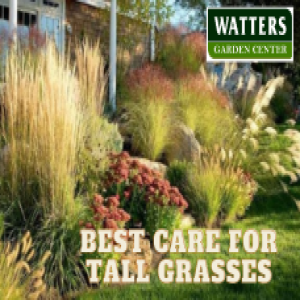
We've gotten some huge selections of grasses in. Pampas grass, Carl Forrester's, Buddy grass. They're all in bloom. They're just stunning. Yeah, they're gorgeous. You let them bloom through the end of the year. Then Ken Lain, The Top 10 Gardener, says that he usually cuts back his grasses in January, when they have turned tan and are starting to lose their shape. He cuts most grass back to ankle level, but some larger grasses, like Pampas grass, he may cut back to knee level.
He recommends waiting until the end of the year to cut back grasses because they provide structure and interest to the garden during the winter months. Even after the grass has turned tan, the plumes can still be quite attractive.
However, once the grasses start to lay over and lose their shape, it's time to cut them back. This will help to promote new growth in the spring.
Here are some additional tips for cutting back Ornamental Grass:
- Use sharp shears or a pruning saw to make clean cuts.
- Remove any dead or diseased leaves or stems.
- Fertilize in the spring to encourage new growth.
- Water regularly, especially during the first year after planting.
With proper care, your grasses will thrive for many years to come.