

Stop Guessing. Start Growing. Welcome to the Ultimate Garden Blueprint.
Body Copy: Most big-box store advice will get your plants killed. The intense sun, the heavy wind, and the local wildlife require a completely different set of rules.
I'm Ken Lain, "Top 10 Gardener," and every week, I share the exact "un-killable" strategies we use to cheat the heat and build vibrant, blooming sanctuaries in USDA Zones 5–8.
Don't waste another season on generic advice. Hit that '+ Follow' button right now to get your weekly dose of mountain gardening success. Let's put some roots in the ground together.
Whether you are trying to force your mountain roses into non-stop blooms, figure out why your evergreens are dropping needles, or reclaim your patio from summer pests, we give you the hyper-local science to make it happen.
When you tune in, you'll discover:
- The Overlooked Truths: Fast diagnostics and 10-second pruning tricks that flatlander gardeners know nothing about.
- Seasonal Urgency: Exactly what to plant right now to guarantee roots get established in our Prescott soil.
- Insider Access: First dibs on our custom plant arrivals and premium garden kits before they sell out on our online store.
Don't waste another season on generic advice. Hit that '+ Follow' button right now to get your weekly dose of mountain gardening success. Let's put some roots in the ground together.
Episodes
Sep 10, 2023
Sep 10, 2023
56 min
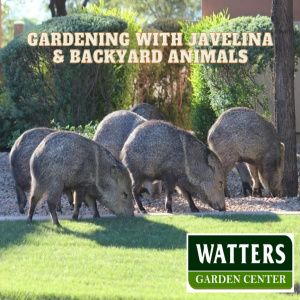
Do you live in an area with javelina or other backyard animals that love to eat your plants? If so, this podcast is for you!
In each episode, we'll talk about different ways to deter these animals from your garden, including:
-
Using physical barriers, such as fences or electric wires
-
Planting animal-resistant plants
-
Using scent deterrents
-
Managing your yard to make it less attractive to animals
We'll also share tips on how to coexist peacefully with these animals, and how to protect yourself and your pets from them.
So whether you're a seasoned gardener or just starting out, this podcast is a must-listen!
Listen to the episode today!
Sep 9, 2023
Sep 9, 2023
5 min
We'll cover the following topics:
-
Identifying the signs of a stressed plant
-
Diagnosing the cause of the stress
-
Treating the stress
-
Preventing future stress
We'll also share some tips for keeping your plants healthy in the first place.
So whether you're a seasoned plant parent or a beginner, this episode is for you!
Sep 8, 2023
Sep 8, 2023
11 min
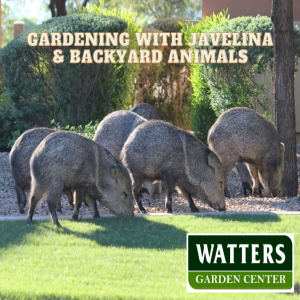
Do you live in an area with javelina or other backyard animals that love to eat your plants? If so, this podcast is for you!
In each episode, we'll talk about different ways to deter these animals from your garden, including:
-
Using physical barriers, such as fences or electric wires
-
Planting animal-resistant plants
-
Using scent deterrents
-
Managing your yard to make it less attractive to animals
We'll also share tips on how to coexist peacefully with these animals, and how to protect yourself and your pets from them.
So whether you're a seasoned gardener or just starting out, this podcast is a must-listen!
Sep 7, 2023
Sep 7, 2023
10 min
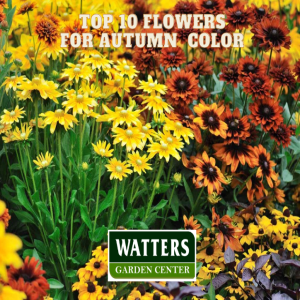
"Are you looking to add autumn color and blooms to your garden? In this episode of the [podcast name], we'll discuss the best fall plants for long-lasting flowers. We'll cover a variety of plants, including mums, roses, dahlias, pansies, and more. We'll also talk about choosing the right plants for your climate and how to care for them.
So whether you're a seasoned gardener or just getting started, this episode is for you. Tune in to learn more about the best fall plants for autumn-long flowers, color, and blooms."
Sep 6, 2023
Sep 6, 2023
8 min
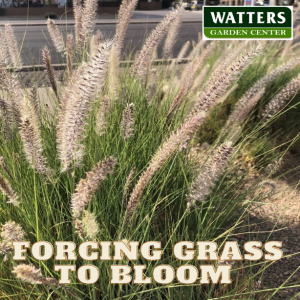
One of the things that people love about ornamental grasses is their flowers. Many ornamental grasses produce plumes, which are airy, feathery flower clusters. Plumes can be white, pink, purple, or yellow. They typically bloom in late summer or fall.
If you want to encourage your ornamental grasses to bloom, you can do a few things. First, make sure they're getting enough sun. Most ornamental grasses need full sun to partial shade. Second, water them regularly, especially during hot, dry weather. Third, fertilize them in the spring with a balanced fertilizer.
If you're looking for an easy way to add beauty and interest to your garden, ornamental grasses are a great option. And if you follow these tips, you can encourage them to bloom for months.
In this episode, we'll discuss some of the most popular ornamental grasses, how to care for them, and how to force them to bloom. We'll also share some tips for using ornamental grasses in your garden design.
So whether you're a gardening beginner or a seasoned pro, this episode is for you. Tune in now to learn more about ornamental grasses!"
You can also add a call to action at the end of your script, such as:
"If you're interested in learning more about ornamental grasses, check out our website or blog. And don't forget to subscribe to our podcast so you don't miss any future episodes."
Sep 5, 2023
Sep 5, 2023
10 min
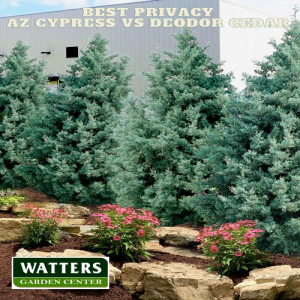
The Arizona cypress and the Deodar cedar are good choices for privacy screens but have different advantages and disadvantages.
The Arizona cypress is a native plant to the southwestern United States, so it is well-adapted to the hot, dry climate. It is also a fast-growing tree, reaching a mature height of 20-30 feet in just a few years. The Arizona cypress has a dense, conical shape that provides good privacy, and its blue-gray foliage is attractive year-round.
The Deodar cedar is a larger tree, reaching a mature height of 50-70 feet. It is also a fast-growing tree but not as drought-tolerant as the Arizona cypress. The Deodar cedar has a more spreading growth habit than the Arizona cypress, and its silvery-green foliage is also attractive year-round.
Here is a table comparing the two trees:
|
Feature |
Arizona Cypress |
Deodar Cedar |
|---|---|---|
|
Native range |
Southwestern United States |
Himalayas |
|
Mature height |
20-30 feet |
50-70 feet |
|
Growth rate |
Fast |
Fast |
|
Drought tolerance |
Good |
Fair |
|
Growth habit |
Conical |
Spreading |
|
Foliage color |
Blue-gray |
Silvery-green |
Ultimately, the best tree for you will depend on your specific needs and preferences. If you are looking for a fast-growing, drought-tolerant tree native to the southwestern United States, the Arizona cypress is a good choice. If you are looking for a larger tree with a more spreading growth habit, then the Deodar cedar is a good choice.
Sep 4, 2023
Sep 4, 2023
10 min
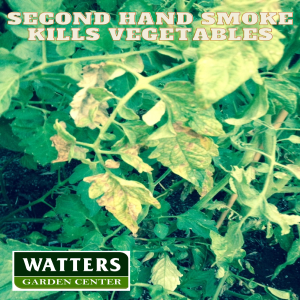
The tobacco mosaic virus attacks various vegetables, including tomato, pepper, eggplant, tobacco, spinach, petunia, and marigold. On tomatoes, virus infection causes light and dark green mottled areas on the leaves. The dark green areas tend to be somewhat thicker than the lighter portions of the leaf. You will be a vegetable pro after this week's show.

Sep 2, 2023
Sep 2, 2023
55 min
As garden centers change their seasonal plant mix, they liquidate the previous season's plants at a discount. This is a unique chance to save some serious landscape money on great plants. We share when the saving seasons are and how to cash in on the savings. You will be a landscape pro after this week's show.
Sep 1, 2023
Sep 1, 2023
5 min
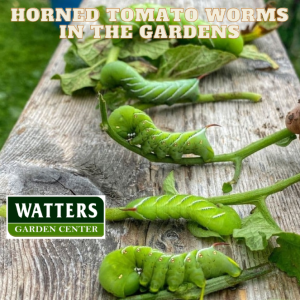
As the summer garden matures and the harvest is picked for use, a large green caterpillar devours tomatoes, pepper, and other vegetables in the garden. In this episode, we cover what to look for and how to control insects organically.
Aug 31, 2023
Aug 31, 2023
9 min
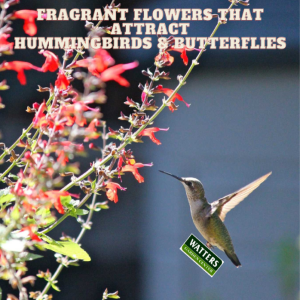
Perennial flowers grow back for years of enjoyment. This list of 7 key flowers that hummingbirds are especially fond of. You will be a hummingbird pro after this week's show.
Aug 30, 2023
Aug 30, 2023
7 min
As garden centers change their seasonal plant mix they liquidate the previous season's plants at a discount. This is a unique chance to save some serious landscape money on really great plants. We share when the saving seasons are and how to cash in on the savings. You will be a landscape pro after this week's show.
Aug 29, 2023
Aug 29, 2023
9 min
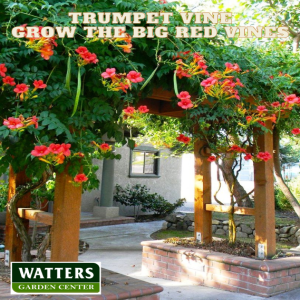
Trumpet Vine is a natural summer vine that grows fast, easily, and beautifully. A hummingbird dream flowers for summer-long color on this heat, wind, and sun loving plant. You will be a vining pro after this week's show.
Aug 28, 2023
Aug 28, 2023
10 min
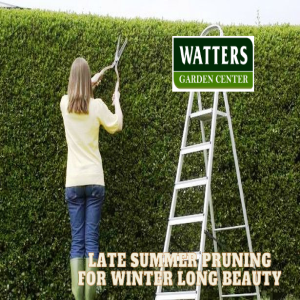
Late summer is a unique window to shape, primp, and prune your evergreen hedges so they have time to grow over hedge cuts that hold their beautiful shape through winter. The suckers on fruit trees are pruned right after harvest to keep trees shorter and easily accessible. You will be a pruning pro after this week's show.
Aug 27, 2023
Aug 27, 2023
10 min
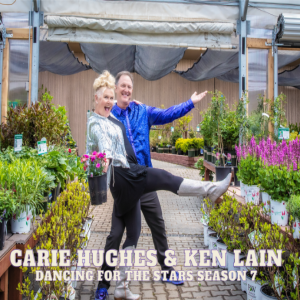
After dancing for 7 years for the Boys & Girls Clubs Dancing for the Stars, Carie Hughes is an inspiration for the kids of the clubs. A working mother, real estate agent, owner of Cherry Creek Ranch wedding venue, and more, it's amazing Carie finds the time to donate so much to her community. This interview goes deep into the heart of this Arizona native. DancingForTheStars.net #CarieHughes #CherryCreekRanch #DancingfortheStars #kenlain #watters #WattersGardenCenter
Aug 26, 2023
Aug 26, 2023
4 min
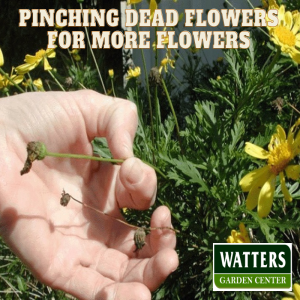
Deadheading is the removal of spent flowers. This helps to encourage new blooms and prevents the formation of seed heads. It is a simple process that can be done with your fingers or with a pair of scissors.
To deadhead, simply pinch or cut the spent flower off just below the base. Be sure to remove the entire flower, including the stem. If you leave the stem attached, the plant may focus its energy on producing seeds instead of new flowers.
Deadheading can be done on a regular basis, or you can wait until the majority of the flowers on a plant have faded. It is a good idea to deadhead regularly if you want to keep your plants blooming all season long.
Here are some of the benefits of deadheading:
- Encourages new blooms
- Prevents the formation of seed heads
- Keeps plants looking neat and tidy
- Can extend the blooming period
Some plants that benefit from deadheading include:
- Annuals: Annuals are plants that complete their life cycle in one year. They typically bloom for a few weeks or months, and then they die. Deadheading annuals will help to prolong their blooming period.
- Perennials: Perennials are plants that live for more than two years. They typically bloom for a shorter period of time than annuals, but they will come back year after year. Deadheading perennials will help to keep them looking their best and encourage new blooms.
- Shrubs: Shrubs are woody plants that can live for many years. They typically bloom for a few weeks or months in the spring or summer. Deadheading shrubs will help to keep them looking neat and tidy and encourage new blooms.
- Trees: Trees are woody plants that can live for hundreds of years. They typically bloom for a short period of time in the spring. Deadheading trees is not usually necessary, but it can be done to remove dead or diseased branches.


If you are not sure whether or not to deadhead a particular plant, it is always best to err on the side of caution and deadhead it. Deadheading is a simple process that can be done quickly and easily, and it can help to keep your plants looking their best and encourage new blooms.