

Stop Guessing. Start Growing. Welcome to the Ultimate Garden Blueprint.
Body Copy: Most big-box store advice will get your plants killed. The intense sun, the heavy wind, and the local wildlife require a completely different set of rules.
I'm Ken Lain, "Top 10 Gardener," and every week, I share the exact "un-killable" strategies we use to cheat the heat and build vibrant, blooming sanctuaries in USDA Zones 5–8.
Don't waste another season on generic advice. Hit that '+ Follow' button right now to get your weekly dose of mountain gardening success. Let's put some roots in the ground together.
Whether you are trying to force your mountain roses into non-stop blooms, figure out why your evergreens are dropping needles, or reclaim your patio from summer pests, we give you the hyper-local science to make it happen.
When you tune in, you'll discover:
- The Overlooked Truths: Fast diagnostics and 10-second pruning tricks that flatlander gardeners know nothing about.
- Seasonal Urgency: Exactly what to plant right now to guarantee roots get established in our Prescott soil.
- Insider Access: First dibs on our custom plant arrivals and premium garden kits before they sell out on our online store.
Don't waste another season on generic advice. Hit that '+ Follow' button right now to get your weekly dose of mountain gardening success. Let's put some roots in the ground together.
Episodes
Nov 7, 2023
Nov 7, 2023
10 min
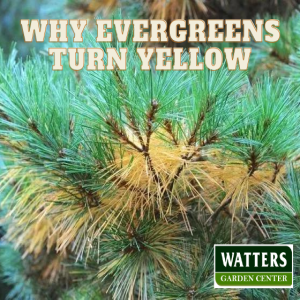
Evergreens are a beautiful addition to any landscape, but sometimes they can turn yellow. There are a few different reasons why this can happen, but the most common ones are:
- Natural needle drop. All evergreens shed their needles eventually, even though it's not as noticeable as deciduous trees. Conifers (pine, spruce, fir, or juniper) typically shed their inner needles first, which can make them look yellow.
- Environmental stress. Evergreens can be susceptible to stress from a variety of environmental factors, such as drought, heat, cold, salt, and wind. When evergreens are stressed, they can turn yellow as a way to conserve energy.
- Nutrient deficiencies. Evergreens need a variety of nutrients to stay healthy, and a deficiency in any one nutrient can cause the needles to turn yellow. Nitrogen is a particularly important nutrient for evergreens, so if your soil is low in nitrogen, your evergreens may turn yellow.
- Pests and diseases. Evergreens can be susceptible to a variety of pests and diseases, some of which can cause the needles to turn yellow. If you notice any pests or diseases on your evergreens, it's important to treat them promptly to prevent further damage.
Here are a few tips:
- Water your evergreens regularly, especially during hot, dry weather.
- Mulch around your evergreens to help retain moisture and protect the roots from the heat and cold.
- Fertilize your evergreens 4 times a year with a fertilizer such as our 7-4-4 All Purpose Plant Food.
- Inspect your evergreens regularly for pests and diseases. If you find any pests or diseases, treat them promptly. We recommend a Tree & Shrub Systemic Insect Drench. One application lasts all year.
If you're not sure why your evergreens are turning yellow, or if you're not sure how to fix the problem, bring a sample branch in a baggie along with a photo of the tree into the Garden Center and we will assist you in diagnosing the problem.
#wattersgardencenter, #watterscardencenteraz, #mountaingardenerpodcast, #Top10Gardener,
#evergreens
No comments yet. Be the first to say something!