

10 Weekly Tips to Brighter Plants. Gardening can be challenging, but with these insider tips, you’ll reap Huge rewards.
Episodes

Sunday Nov 19, 2023
Sunday Nov 19, 2023
The Ultimate Guide to High Altitude Gardening in Arizona's Mountainous Terrain
In this latest episode, Ken and Lisa delve into an extensive array of gardening topics tailored to Arizona's elevated landscapes. Whether you're a novice in gardening or a seasoned veteran, The Mountain Gardener Podcast caters to all skill levels.
Included in this week’s episode:
- What do Yellow Leaves Mean in Autumn?
- Best Evergreens for Poor Soils
- When to Prine these Top10 Shrubs
- Trees that Look Good all Winter
- Deer and Rabbit Proof Plants and Repellants
- How to Irrigate Plants through Winter
As always there will be Q&A with Ken and Lisa as they answer listener questions about gardening in Arizona's high country.
Ken and Lisa's enthusiasm for gardening is contagious, and their wealth of knowledge is an indispensable resource.
Make sure not to pass up this opportunity to enrich your gardening skills by subscribing to The Mountain Gardener Podcast today, available on all major podcast platforms!
#wattersgardencenter, #wattersgardencenteraz, #mountaingardenerpodcast, #top10gardener,
#gardeningtips
Saturday Nov 18, 2023
Saturday Nov 18, 2023
Even though your plants may be dormant during the winter, they still need water to survive. Here are a few tips on how to irrigate your plants through the winter:
- Water deeply, but less often. Dormant plants don't need as much water as they do during the growing season, but it's important to water them deeply when you do. This will help to prevent the roots from drying out.
- Water in the morning. This will give the plants time to absorb the water before it freezes at night.
- Use a drip irrigation system. This is the most efficient way to water your plants in the winter, as it delivers water directly to the roots.
- Mulch around your plants. This will help to keep the soil moist and insulate the roots from the cold.
Here are some additional tips:
- Be aware of your local weather conditions. If you live in a cold climate with little snow, you may need to water your plants more often.
- Check the soil before you water. If the soil is still moist, there's no need to water.
- Water newly planted trees and shrubs more often. Their roots are still developing and need more water to survive the winter.
Following these tips will help to ensure that your plants get the water they need to survive the winter.
#wattersgardencenter, #wattersgardencenteraz, #mountaingardenerpodcast, #top10gardener,
#gardeningtips, #irrigation,

Friday Nov 17, 2023
Friday Nov 17, 2023
Some plants are naturally resistant to deer and rabbits.
Here are a few examples:
- Perennials: lavender, rosemary, sage, thyme, yarrow, coneflower, black-eyed Susan, and ornamental grasses
- Bulbs: daffodils, tulips, alliums, and hyacinths
- Shrubs: boxwood, holly, andromeda, and rhododendron
- Trees: yew, juniper, and fir
Deer & Rabbit Repellents
There are also a number of deer and rabbit repellents available. Some popular options available at the Garden Center include:
- Watters Animal Stopper is available in both spray and granular form and is Safe, Effective & Weatherproof. It has a Pleasant Cinnamon, Mint & Rosemary Smell animals hate! Safe for flowers and shrubs, but should not be used on Vegetables
- MoleMax Gopher Repellent. Also works on moles, voles, rabbits and ground squirrels. Lasts up to 3 months.
Tips for Using Deer & Rabbit Repellents
- Apply repellents according to the directions on the label.
- Reapply repellents regularly, especially after rain or snow.
- Rotate repellents every few weeks to prevent deer and rabbits from becoming accustomed to them.
Conclusion
By following these tips, you can help to protect your plants from deer and rabbits.
#wattersgardencenter, #wattersgardencenteraz, #mountaingardenerpodcast, #top10gardener,
#gardeningtips, #gardenpests, #deer, #rabbits
Thursday Nov 16, 2023
Thursday Nov 16, 2023
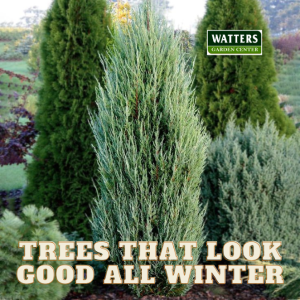
Evergreen trees can add year-round beauty and interest to your landscape, even in the winter when other trees have lost their leaves. Here are a few of the best evergreen trees for winter interest:
- Colorado Blue Spruce (Picea pungens 'Glauca'): This iconic tree is known for its silvery-blue needles and pyramidal shape. It is a popular choice for windbreaks and privacy screens, and it is also tolerant of cold weather and poor soil.
- Austrian Pine (Pinus nigra): This pine tree has dark green needles and a dense, pyramidal shape. It is also very hardy and can tolerate cold winters and dry summers.
- Fir (Abies spp.): Fir trees have soft, flat needles and a conical shape. They are known for their pleasant fragrance and their ability to provide shelter for wildlife.
- Arborvitae (Thuja spp.): Arborvitae trees have scale-like leaves and a dense, columnar shape. They are very versatile and can be used as hedges, windbreaks, or privacy screens.
- Juniper (Juniperus spp.): Juniper trees have scale-like leaves and a variety of shapes, from shrubs to trees. They are very tolerant of drought and poor soil, and they are also good for wildlife.
When choosing evergreen trees for your landscape, be sure to consider the size and shape of the tree, as well as its cold hardiness and soil requirements. With a little planning, you can enjoy beautiful evergreen trees in your landscape all year long.
#wattersgardencenter, #wattersgardencenteraz, #mountaingardenerpodcast, #top10gardener,
#gardeningtips, #trees, #evergreens, #wintergardening
Tuesday Nov 14, 2023
Tuesday Nov 14, 2023
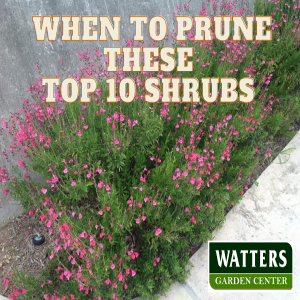
- Lilac
Lilacs bloom on old wood, so prune them immediately after flowering to avoid removing next year's buds.
- Forsythia
Forsythia also blooms on old wood, so prune it immediately after flowering.
- Quince
Quince blooms on old wood, so prune it immediately after flowering.
- Rhododendron
Rhododendrons bloom on old wood, so prune them immediately after flowering.
- Azalea
Azaleas bloom on old wood, so prune them immediately after flowering.
- Maple
Maple trees can be pruned any time of year, but it's best to do it in late winter or early spring before new growth emerges.
- Rose
Roses can be pruned any time of year, but it's best to do it in late winter or early spring before new growth emerges.
- Hydrangea
Hydrangeas bloom on either old wood or new wood, depending on the variety. If you have a variety that blooms on old wood, prune it immediately after flowering. If you have a variety that blooms on new wood, prune it in late winter or early spring before new growth emerges.
- Butterfly Bush
Butterfly bushes bloom on new wood, so prune them in late winter or early spring before new growth emerges.
- Spirea
Spirea’s bloom on either old wood or new wood, depending on the variety. If you have a variety that blooms on old wood, prune it immediately after flowering. If you have a variety that blooms on new wood, prune it in late winter or early spring before new growth emerges.
General Pruning Tips
- Always use sharp pruning shears to make clean cuts.
- Remove dead, diseased, or damaged branches.
- Prune to maintain the desired shape and size of your shrub.
- Don't over-prune, as this can damage your shrub.
Conclusion
Pruning is an important part of shrub care. By following these tips, you can help your shrubs stay healthy and beautiful for many years to come.
#wattersgardencenter, #wattersgardencenteraz, #mountaingardenerpodcast, #top10gardener,
#gardeningtips, #pruning, #shrubs
Tuesday Nov 14, 2023
Tuesday Nov 14, 2023
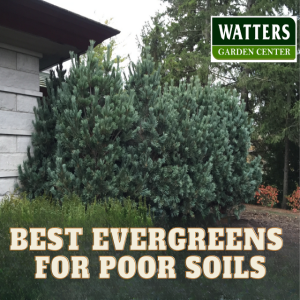
Evergreens can add year-round beauty and interest to your landscape, but not all evergreens are created equal. If you have poor soil, you'll need to choose evergreens that are tolerant of these conditions.
Here are a few of the best evergreens for poor soils:
- Arborvitae (Thuja occidentalis) is a versatile evergreen that can be grown as a tree or shrub. It is tolerant of a wide range of soil conditions, including poor soil.
- Junipers (Juniperus spp.) are another good option for poor soils. They come in a variety of sizes and shapes, so you can find one that is perfect for your landscape.
- Pines (Pinus spp.) are also tolerant of poor soils. They are a good choice for windbreaks and privacy screens.
- Spruces (Picea spp.) are another good option for poor soils. They are known for their dense foliage and pyramidal shape.
When planting evergreens in poor soil, it is important to amend the soil with compost or other organic matter. This will help to improve drainage and fertility. You should also water your evergreens regularly, especially during the first year after planting.
Here are a few tips for choosing and caring for evergreens in poor soil:
- Choose evergreens that are native to your area. Native plants are more likely to be tolerant of the local soil conditions.
- Plant your evergreens in a well-drained location. Poorly drained soil can lead to root rot, which can kill your evergreens.
- Amend the soil with compost or other organic matter before planting. This will help to improve drainage and fertility.
- Water your evergreens regularly, especially during the first year after planting.
With a little care and attention, you can enjoy beautiful evergreens in your landscape, even if you have poor soil.
#wattersgardencenter, #watterscardencenteraz, #mountaingardenerpodcast, #Top10Gardener,
#gardeningtips, #evergreens
Monday Nov 13, 2023
Monday Nov 13, 2023
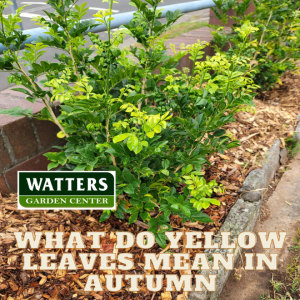
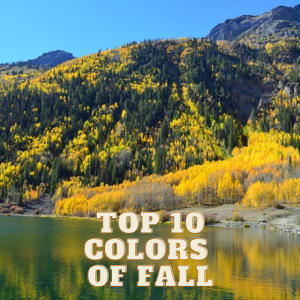
Yellow leaves in autumn are a sign of the changing seasons and the onset of cooler weather. As the days get shorter and the nights get colder, trees begin to prepare for winter by breaking down the chlorophyll in their leaves. Chlorophyll is the green pigment that allows trees to absorb sunlight and photosynthesize. Without chlorophyll, leaves turn yellow and eventually fall off the tree.
There are a few other reasons why leaves might turn yellow in autumn. One reason is iron deficiency. Iron is essential for chlorophyll production, so if a tree is not getting enough iron, its leaves will turn yellow. Another reason for yellow leaves is stress. Trees can be stressed by drought, heat, pests, or diseases. When trees are stressed, they may produce less chlorophyll, which can cause their leaves to turn yellow.
For many trees and plants, yellow leaves in autumn are a normal part of the changing seasons. However, if you are concerned about the health of your trees, bring a sample of the leaves by the Garden Center and our plant experts can tell you if you need to be concerned and provide helpful remedies if you need to take action.
#wattersgardencenter, #watterscardencenteraz, #mountaingardenerpodcast, #Top10Gardener,
#gardeningtips, #fallplants, #fall, #autumn, #fallfoliage

Sunday Nov 12, 2023
Sunday Nov 12, 2023
The Mountain Gardener Podcast: Your Go-To Resource for Gardening in Arizona's High Country
In this episode, Ken and Lisa cover a wide range of topics related to gardening in Arizona's high altitude, included in this week’s episode:
- Perennials to Cut Back in Fall
- Why Evergreens Turn Yellow
- Why Plants Like Organic Food More than Synthetics
- Plants that Love Frosty Gardens
- Growing Winter Vegetables and Herbs
- As always there will be Q&A with Ken and Lisa: as they answer listener questions about gardening in Arizona's high country.
Whether you're a beginner gardener or a seasoned pro, The Mountain Gardener Podcast has something for everyone. Ken and Lisa's passion for gardening is infectious, and their expertise is invaluable.
Subscribe to The Mountain Gardener Podcast today and start gardening like a pro!
#wattersgardencenter, #wattersgardencenteraz, #mountaingardenerpodcast, #top10gardener,

Saturday Nov 11, 2023
Saturday Nov 11, 2023
Northern Arizona has a mild four-season climate, with cold nights and warm days even during the winter. This makes it a great time to plant and care for your garden.
Here are a few tips:
- Clean up dormant and frost-damaged plants. Remove any dead or diseased foliage from your plants. This will help to prevent pests and diseases from overwintering in your garden. You can also compost this material to add nutrients to your soil.
- Plant winter flowers. Many flowers, such as snapdragons, violas, and dusty miller, can thrive in the cool fall and winter weather. These flowers will add a splash of color to your garden and provide food for pollinators.
- Mulch your garden. Mulching your garden with organic matter, such as compost or bark chips, will help to retain moisture, insulate the roots of your plants, and suppress weeds.
Here are some additional tips for cleaning up dormant and frost-damaged plants:
- Wait until after the first frost to cut back your perennials. This will give the plants a chance to store energy for the winter. Cut back perennials to about 6 inches above the ground.
- Prune your trees and shrubs. Pruning will help to improve the shape and health of your plants.
By following these tips, you can keep your garden looking its best all through the fall and winter.
Visit Watters Garden Center today to learn more about fall gardening and to purchase winter flowers, mulch, and other gardening supplies!
#wattersgardencenter, #wattersgardencenteraz, #mountaingardenerpodcast, #top10gardener,
#gardentips
Friday Nov 10, 2023
Friday Nov 10, 2023
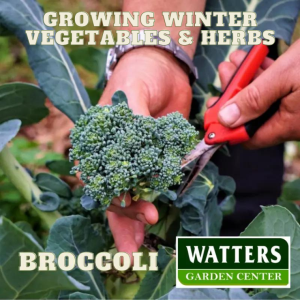
Our winter climate is ideal for growing a variety of herbs and vegetables. With a little planning and care, you can enjoy fresh, homegrown produce all season long.
Here are some tips for growing winter herbs and vegetables in Northern Arizona:
- Choose the right plants. Some of the best herbs and vegetables to grow in Northern Arizona during the winter include:
- Herbs: arugula, basil, cilantro, chives, dill, mint, oregano, parsley, rosemary, sage, thyme
- Vegetables: beets, broccoli, brussel sprouts, cabbage, carrots, cauliflower, celery, collard greens, kale, lettuce, onions, peas, potatoes, radishes, spinach, swiss chard, turnips
- Prepare your soil. Winter herbs and vegetables need well-drained soil. If your soil is heavy clay, you can improve drainage by adding mulch. You can also plant in raised beds to improve drainage and provide better root aeration.
- Protect your plants from the cold. Winter temperatures in Northern Arizona can be unpredictable, so it's important to protect your plants from the cold. You can do this by covering them with row covers, frost cloth, on cold nights. You can also plant your winter herbs and vegetables in a sheltered location, such as near a south-facing wall or under a tree canopy.
- Water your plants regularly. Winter herbs and vegetables need regular watering, even in the cold weather. Be careful not to overwater, as this can lead to root rot. A good rule of thumb is to water your plants deeply once a week, or more often if the weather is particularly dry.
- Fertilize your plants regularly. Winter herbs and vegetables need regular fertilization to produce a bountiful harvest. You can fertilize your plants with a balanced fertilizer every two weeks.
- Harvest your crops. Most winter herbs and vegetables will be ready to harvest in the late fall or early winter. Be sure to harvest your crops regularly to encourage new growth.
#wattersgardencenter, #wattersgardencenteraz, #mountaingardenerpodcast, #top10gardener,
#wintervegetables, #herbs

Thursday Nov 09, 2023
Thursday Nov 09, 2023
Our Mountain landscape is home to a variety of beautiful flowers that can withstand the cold, snowy winters. These flowers are not only hardy, but they also provide a welcome splash of color to the landscape during the winter months.
Here are a few of the most popular flowers that love the snow:
- Pansies
- Violas
- Winter Vegetables like Kale & Cabbage
- Herbs such as Rosemary, Parsley, Sage
Where to plant snow-loving flowers in Northern Arizona
Snow-loving flowers can be planted in a variety of locations in our landscape, including:
- Flower beds: Snow-loving flowers can be planted in flower beds with other winter-blooming plants, such as pansies, violas, and kale.
- Rock gardens: Snow-loving flowers can be planted in rock gardens to add color and interest during the winter months.
- Containers: Snow-loving flowers can be grown in containers and placed on patios, decks, and porches.
Tips for growing snow-loving flowers in Northern Arizona
- Choose a sunny spot: Snow-loving flowers need at least six hours of sunlight per day.
- Plant in well-drained soil: Snow-loving flowers need well-drained soil to prevent root rot.
- Water regularly: Snow-loving flowers need regular watering, especially during the hot summer months.
- Mulch around the plants: Mulching around the plants will help to retain moisture and protect the roots from the cold.
- Fertilize regularly: Snow-loving flowers need to be fertilized regularly to keep them healthy and blooming.
Visit Watters Garden Center today to learn more about cold weather plants and to purchase a variety of plants for your garden!
#wattersgardencenter, #wattersgardencenteraz, #mountaingardenerpodcast, #top10gardener,
#coldweatherplants

Wednesday Nov 08, 2023
Wednesday Nov 08, 2023
Organic food is better for plants than synthetic food for a number of reasons. First, organic food is more biogradable, meaning that it is easier for plants to absorb and use. Synthetic fertilizers are often made from inorganic salts, which can be difficult for plants to break down. Second, organic food contains a wider range of nutrients than synthetic food. Synthetic fertilizers typically only contain the three macronutrients: nitrogen, phosphorus, and potassium. Organic food, on the other hand, contains a variety of macronutrients, micronutrients, and beneficial microbes.
Here are some of the specific benefits of organic food for plants:
- Improved root growth and development. Organic matter helps to improve soil structure and drainage, which is essential for healthy root growth. Organic matter also provides food for beneficial microbes, which help to protect plants from pests and diseases.
- Increased nutrient uptake. Organic matter helps to make nutrients more bioavailable to plants. This is because organic matter contains chelates, which are molecules that bind to nutrients and make them easier for plants to absorb.
- Improved soil health. Organic matter helps to improve soil aeration, drainage, and water retention. It also helps to increase the soil's cation exchange capacity, which is the ability of the soil to hold onto nutrients.
- Reduced pest and disease pressure. Organic matter helps to promote a healthy soil microbiome, which can help to suppress pests and diseases. Organic matter also helps to improve the plant's immune system, making it more resistant to pests and diseases.
- Increased yields and quality. Organic food has been shown to increase crop yields and improve the quality of produce. This is because organic food provides plants with a wider range of nutrients and helps to improve soil health.
- Organic Plant Foods are safer for the environment than synthetic fertilizers because they break down over time and don’t pollute the ground water.
If you want to give your plants the best possible chance for success, choose organic food over synthetic food. Watters Garden Center has a fertilizer “All Purpose 7-4-4 Plant Food” and other products to help you grow healthy, productive plants.
Visit Watters Garden Center today to learn more about the benefits of organic food for plants!
#wattersgardencenter, #wattersgardencenteraz, #mountaingardenerpodcast, #top10gardener,
#organicplantfood, #Watters7-4-4PlantFood, #fertilizer
Tuesday Nov 07, 2023
Tuesday Nov 07, 2023
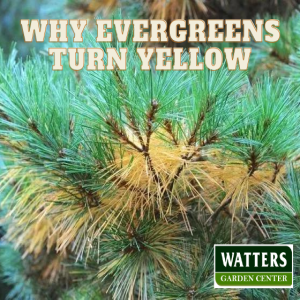
Evergreens are a beautiful addition to any landscape, but sometimes they can turn yellow. There are a few different reasons why this can happen, but the most common ones are:
- Natural needle drop. All evergreens shed their needles eventually, even though it's not as noticeable as deciduous trees. Conifers (pine, spruce, fir, or juniper) typically shed their inner needles first, which can make them look yellow.
- Environmental stress. Evergreens can be susceptible to stress from a variety of environmental factors, such as drought, heat, cold, salt, and wind. When evergreens are stressed, they can turn yellow as a way to conserve energy.
- Nutrient deficiencies. Evergreens need a variety of nutrients to stay healthy, and a deficiency in any one nutrient can cause the needles to turn yellow. Nitrogen is a particularly important nutrient for evergreens, so if your soil is low in nitrogen, your evergreens may turn yellow.
- Pests and diseases. Evergreens can be susceptible to a variety of pests and diseases, some of which can cause the needles to turn yellow. If you notice any pests or diseases on your evergreens, it's important to treat them promptly to prevent further damage.
Here are a few tips:
- Water your evergreens regularly, especially during hot, dry weather.
- Mulch around your evergreens to help retain moisture and protect the roots from the heat and cold.
- Fertilize your evergreens 4 times a year with a fertilizer such as our 7-4-4 All Purpose Plant Food.
- Inspect your evergreens regularly for pests and diseases. If you find any pests or diseases, treat them promptly. We recommend a Tree & Shrub Systemic Insect Drench. One application lasts all year.
If you're not sure why your evergreens are turning yellow, or if you're not sure how to fix the problem, bring a sample branch in a baggie along with a photo of the tree into the Garden Center and we will assist you in diagnosing the problem.
#wattersgardencenter, #watterscardencenteraz, #mountaingardenerpodcast, #Top10Gardener,
#evergreens
Monday Nov 06, 2023
Monday Nov 06, 2023
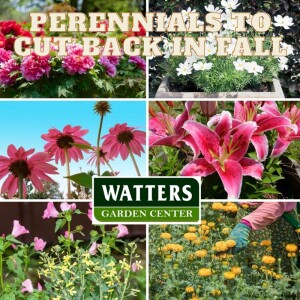
As the days get shorter and the nights get colder, it's time to start thinking about preparing your garden for winter. One important task is to cut back perennials. This helps to remove dead or diseased foliage, encourage new growth in the spring, and prevent pests and diseases from overwintering in your garden.
The best time to cut back perennials is after the first frost, but before the ground freezes. This will give the plants a chance to store energy for the winter. However, there are some perennials, such as bleeding heart and ferns, that should not be cut back in the fall.
#wattersgardencenter, #watterscardencenteraz, #mountaingardenerpodcast, #Top10Gardener,
#fallflowers
Sunday Nov 05, 2023
Sunday Nov 05, 2023
The Mountain Gardener Podcast: Your One-Stop Shop for All Things Gardening in Arizona's High Country
Looking for a gardening podcast that's specifically designed for Arizona's High Country? Look no further than The Mountain Gardener Podcast, hosted by experienced gardeners Ken and Lisa Lain. In each episode, Ken and Lisa cover a wide range of topics, including:
- Plant selection for Arizona's High Country: Ken and Lisa will help you choose the right plants for your garden, based on your climate, soil type, and desired aesthetic.
- Planting and care of specific plants: Ken and Lisa will provide you with detailed instructions on how to plant and care for specific plants, from cacti and succulents to trees and shrubs.
- Pest and disease management: Ken and Lisa will teach you how to identify and control pests and diseases that can affect your plants.
- Water conservation and irrigation: Ken and Lisa will share tips on how to conserve water and irrigate your garden efficiently in Arizona's arid climate.
- Soil health and improvement: Ken and Lisa will teach you how to improve your soil health for healthier plants.
- Gardening through the seasons: Ken and Lisa will provide you with tips on how to garden in Arizona's unique climate, throughout the year.
- Q&A with Ken and Lisa: Ken and Lisa answer listener questions about gardening in Arizona's High Country.
Whether you're a beginner gardener or a seasoned pro, The Mountain Gardener Podcast has something for everyone. Ken and Lisa's passion for gardening is infectious, and their expertise is invaluable. Subscribe to The Mountain Gardener Podcast today and start gardening like a pro!
Here are some specific examples of topics that Ken and Lisa have covered in this week’s podcast:
- Spiritual Meaning of Houseplants
- Why are Skunks in my Yard?
- How to Keep Winter Weeds out of Rock Lawns
- Trees that Look Good All Winter
- Top 10 Fall Colored Trees for Autumn Planting
- Top 10 Trees with Insider Tips to Grow Them
We hope you'll join us for the Mountain Gardener Podcast! Subscribe today on your favorite podcast platform.
#wattersgardencenter, #wattersgardencenteraz, #mountaingardenerpodcast, #top10gardener,